The right network audio player can bring streaming services, local music, and high-resolution playback into a serious stereo system without adding unnecessary complexity. Balanced outputs are especially useful when connecting to compatible preamps, amplifiers, or active speakers over longer cable runs.
We compare 10 standout options, from compact streamer-DACs to full-featured network receivers and high-end digital preamps, so you can match features, connections, and budget to your listening setup.
Best 10 Network Audio Player with Balanced Outputs Picks for 2026
Best Compact Balanced Streamer
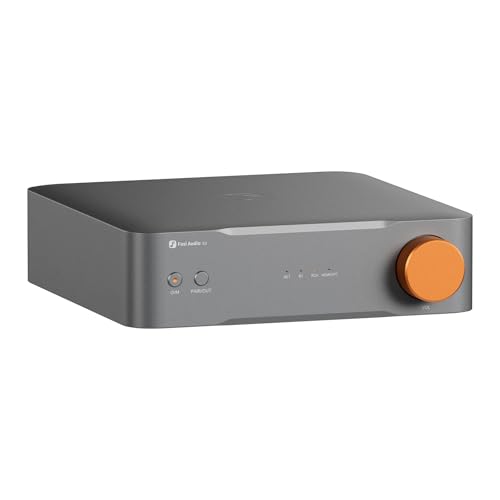
- AK4493SEQ DAC with high-resolution LAN playback
- XLR, HDMI eARC, subwoofer output, and 10-band EQ
- Wi-Fi 6, Bluetooth 5.3, and broad streaming support
Best For: Compact systems needing balanced output and TV integration
Best All-in-One Network Receiver
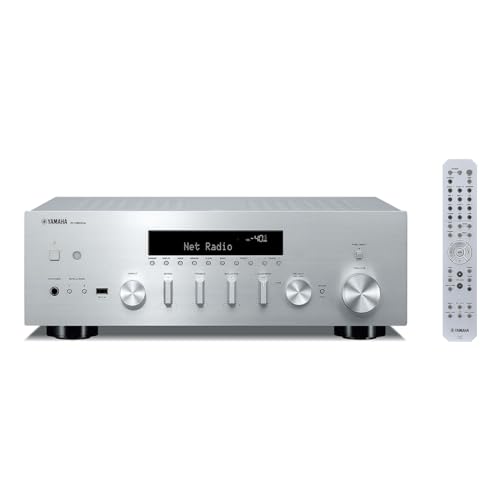
- ESS SABRE DAC with high-resolution playback
- Built-in 80-watt-per-channel amplification
- Phono, USB, optical, Wi-Fi, Ethernet, and Bluetooth inputs
Best For: Two-channel systems needing streaming and amplification together
Best Premium Balanced Streamer

- Dual ESS DACs with balanced XLR outputs
- BluOS multi-room streaming and broad source support
- HDMI eARC, THX AAA headphone amp, and optional Dirac Live
Best For: Audiophile systems needing balanced output and multi-room features
Best Hi-Res Streaming Hub

- ESS SABRE32 Reference DAC for high-resolution playback
- StreamMagic with major streaming platforms and wireless options
- HDMI eARC, multiple digital inputs, Roon Ready support, and display
Best For: Hi-fi systems centered on broad streaming and TV connectivity
Family Hi-Fi Receiver

- Wi-Fi, Roon, Tidal, and Deezer streaming
- Dedicated MM/MC phono input
- Two-channel amplification with HDMI
Best For: Vinyl-focused home stereo systems
Best for Everyday Use

- Streamer, preamp, and DAC in one unit
- Balanced preamp with digital room correction
- Ethernet and SFP fiber connectivity
Best For: Advanced balanced digital audio systems
Large-Screen Hi-Fi Streamer
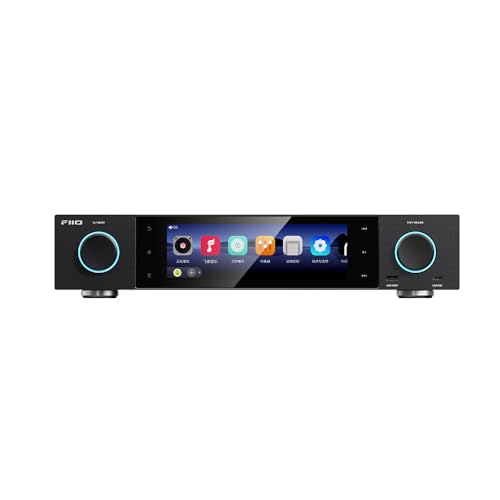
- XLR balanced line output and extensive I/O
- Roon, AirPlay, DLNA, and Android 12
- 7.84-inch touchscreen with AKM DACs
Best For: Feature-rich digital systems with balanced outputs
Versatile Streaming Hub
Eversolo DMP-A6 Master Edition

- Balanced XLR and RCA outputs
- DSD512, MQA, and high-resolution format support
- Six-inch touchscreen with EOS Audio Engine
Best For: High-resolution systems needing flexible balanced connectivity
Refined Everyday Streamer

- Balanced XLR and RCA analog outputs
- HDMI ARC and trigger connectivity
- Built-in services plus app and touchscreen control
Best For: Integrated hi-fi systems with TV audio and streaming services
All-in-One Reference Platform

- Streamer, DAC, analog preamp, and CD player
- Wi-Fi 6 and SFP fiber network port
- DSD512 playback and AKM-based conversion
Best For: Premium systems seeking a consolidated digital front end
Best Compact Balanced Streamer – Fosi Audio S3
The Fosi Audio S3 is a practical network audio player with balanced outputs for listeners building a compact streaming system. It combines a DAC, digital transport, and preamp, while adding Wi-Fi 6, Bluetooth 5.3, XLR connectivity, HDMI eARC, and a subwoofer output.
Best For: Compact home audio systems that need streaming, balanced XLR output, TV connectivity, and subwoofer integration.
Pros:
- AK4493SEQ DAC supports PCM up to 32-bit/768kHz over LAN.
- Supports AirPlay 2, Spotify Connect, TIDAL Connect, Roon Ready, Google Cast, DLNA, and Qobuz Connect.
- Includes XLR balanced outputs, HDMI eARC, dedicated subwoofer output, and a 10-band EQ.
Cons:
- Firmware should be upgraded to access additional features.
- Designed as a compact streamer, DAC, and preamp rather than a complete power amplifier.
The S3 stands out when flexible connections and a small footprint matter. Its balanced circuit, broad streaming support, and home-theater features make it a versatile companion for an existing amplifier or active-speaker setup.
Best All-in-One Network Receiver – Yamaha R-N600A
The Yamaha R-N600A is a network receiver for buyers who want streaming and traditional hi-fi sources in one component. It combines Wi-Fi and Ethernet networking with a built-in DAC, phono input, USB playback, optical TV input, and 80-watt-per-channel amplification.
Best For: Two-channel systems that need network playback, vinyl support, TV connectivity, and built-in amplification.
Pros:
- ESS SABRE ES9010K2M Ultra DAC supports high-resolution playback.
- Supports native DSD playback up to 11.2 MHz and playback up to 384kHz.
- Includes phono input, USB, optical input, Bluetooth, Wi-Fi, Ethernet, and Spotify support.
Cons:
- It is a receiver with conventional speaker outputs, not a dedicated network audio player with balanced XLR outputs.
- The supplied notes list Spotify support but do not identify a broad range of other streaming services.
The R-N600A is best viewed as an integrated network receiver rather than a balanced-output streamer. Its appeal is system simplicity: one chassis handles streaming, source connections, amplification, and vinyl playback.
Best Premium Balanced Streamer – Bluesound NODE ICON
The Bluesound NODE ICON is a premium network audio player with balanced outputs, built around dual-mono ESS SABRE DACs and a full-color display. It supports high-resolution streaming, HDMI eARC, multi-room playback through BluOS, and headphone listening through its THX AAA amplifier.
Best For: Audiophile systems seeking XLR connectivity, advanced digital conversion, multi-room control, and dedicated headphone output.
Pros:
- Dual-mono design uses two ESS SABRE ES9039Q2M DACs and includes balanced XLR outputs.
- BluOS provides access to streaming services and personal libraries, with AirPlay 2 and aptX Adaptive Bluetooth.
- Adds HDMI eARC, a 5-inch color display, THX AAA headphone amplification, and optional Dirac Live.
Cons:
- Dirac Live requires an upgrade and a separate calibration microphone kit.
- Its feature-rich design may be more than needed for a basic stereo streaming system.
The NODE ICON is a strong choice for a flexible, high-end digital hub. Balanced outputs, dual-mono conversion, BluOS multi-room support, and headphone features give it broad appeal beyond straightforward network playback.
Best Hi-Res Streaming Hub – Cambridge Audio CXN100 SE
The Cambridge Audio CXN100 SE is a high-resolution network audio player designed as a central streaming hub for a modern hi-fi system. Its ESS ES9028Q2M SABRE32 Reference DAC, StreamMagic platform, HDMI eARC, and wide wireless and wired connectivity support both music and TV listening.
Best For: Hi-fi listeners who want a polished streaming hub with high-resolution playback, app control, and home-entertainment integration.
Pros:
- ESS ES9028Q2M SABRE32 Reference DAC is designed for detailed, high-resolution playback.
- Includes Spotify Connect, TIDAL Connect, Qobuz Connect, Deezer, Chromecast built-in, AirPlay 2, and Bluetooth aptX HD.
- Offers HDMI eARC, USB audio, coaxial and TOSLINK inputs, Roon Ready support, and a high-resolution color display.
Cons:
- The supplied notes identify HDMI and USB connectors but do not confirm balanced XLR outputs.
- It is a streamer rather than an integrated amplifier, so a separate amplifier or active speakers are required.
The CXN100 SE is compelling for buyers prioritizing platform support and straightforward system integration. However, shoppers specifically requiring a network audio player with balanced outputs should verify the output connections before purchase.
Family Hi-Fi Receiver – Onkyo TX-8470
Onkyo TX-8470 2 Channel Stereo Receiver with Wi-Fi, Bluetooth, Phono, Hi-Res Audio and Roon Ready
Check Price On AmazonIf you want a network audio player with balanced outputs that also powers speakers, the Onkyo TX-8470 is a practical two-channel option. It combines Wi-Fi streaming, Roon Ready support, HDMI connectivity, Bluetooth, and a dedicated MM/MC phono stage in one stereo receiver.
Best For: Vinyl listeners and families seeking a streamlined two-channel network stereo system.
Pros:
- Built-in Wi-Fi with Roon, Tidal, and Deezer support.
- Dedicated MM/MC phono board for turntable playback.
- Two-channel amplifier design with up to 110 watts of output power.
- Includes Dirac Full Band and four HDMI ports.
Cons:
- It is a stereo receiver rather than a multichannel AVR.
- The supplied notes do not specify balanced analog outputs.
The TX-8470 makes the most sense when you want streaming, vinyl, television connectivity, and speaker amplification without assembling several components. Verify the output connections if balanced integration is essential to your system.
Best for Everyday Use – Eversolo DMP-A10
The Eversolo DMP-A10 is a strong candidate for shoppers seeking a network audio player with balanced outputs and preamp functionality. Its balanced preamp design, Ethernet and SFP connectivity, high-speed isolation, OCXO clock system, and digital room correction suit advanced digital audio setups.
Best For: Enthusiasts building a high-end streaming source and balanced preamp system.
Pros:
- Combines network streamer, preamp, and DAC functions.
- Features a balanced preamp and multi-format connectivity.
- Offers Ethernet and SFP fiber networking options.
- Includes digital room correction and an OCXO clock system.
Cons:
- Its 12.46 kg chassis may be substantial for smaller setups.
- The supplied notes do not list specific streaming services or output connector types.
Choose the DMP-A10 when system flexibility and balanced preamp operation matter more than simplicity. Before buying, confirm the exact analog outputs and service compatibility required by your amplifier and streaming subscriptions.
Large-Screen Hi-Fi Streamer – FiiO S15
For listeners comparing a network audio player with balanced outputs, the FiiO S15 stands out with an XLR balanced line output alongside extensive digital connections. Its AK4191 and AK4499EX DAC architecture, Android 12 platform, Roon Ready support, and large touchscreen make it a versatile centerpiece for digital playback.
Best For: Digital-audio enthusiasts who want balanced line output, local-library access, and a large interactive display.
Pros:
- Provides XLR balanced line output plus I2S, AES, coaxial, optical, and HDMI interfaces.
- Supports Roon Ready, AirPlay, DLNA, Bluetooth, NAS, and local playback.
- Uses the AK4191 plus AK4499EX DAC combination with separated digital and analog architecture.
- Large 7.84-inch touchscreen and Android 12 support major streaming apps.
Cons:
- Its many inputs and outputs may be more than a basic streaming setup needs.
- The supplied notes identify a one-year warranty.
The S15 is a particularly flexible pick if balanced connectivity, high-resolution decoding, and local or network libraries are priorities. Its 430 mm-wide chassis is also suited to larger component-based systems, while the touchscreen supports hands-on control.
Versatile Streaming Hub – Eversolo DMP-A6 Master Edition
The Eversolo DMP-A6 Master Edition is a flexible network audio player with balanced outputs for listeners who want a touchscreen streamer, high-resolution DAC, and broad system connectivity in one component. Its XLR and RCA outputs can connect to active speakers or a power amplifier, while HDMI, USB, optical, and coaxial connections support varied digital setups.
Best For: Music listeners building a high-resolution streaming system with balanced XLR connectivity, local-library access, and hands-on touchscreen control.
Pros:
- XLR and RCA analog outputs support balanced and conventional system configurations.
- Supports formats including DSD512, FLAC, WAV, APE, and MQA.
- Six-inch 1080p touchscreen provides direct access to settings, music, and third-party apps.
- EOS Audio Engine bypasses Android SRC restrictions for direct output of supported third-party audio.
Cons:
- The feature set may be more extensive than needed for a simple streaming-only system.
- The supplied warranty is listed as one year.
With its balanced outputs, broad format support, and multiple digital inputs and outputs, the DMP-A6 Master Edition is a strong choice for systems that need both streaming flexibility and serious source connectivity.
Refined Everyday Streamer – Eversolo DMP-A6 Master Gen 2
The Eversolo DMP-A6 Master Gen 2 is a network audio player with balanced outputs aimed at streamlined hi-fi systems. Its XLR and RCA outputs work with active speakers or power amplifiers, while HDMI ARC, trigger support, wireless streaming, and a dedicated control app make it practical for integrated home audio setups.
Best For: Listeners who want a modern streamer-DAC with balanced analog outputs, popular music services, and convenient TV and system-control features.
Pros:
- XLR and RCA outputs accommodate balanced and unbalanced connections.
- Supports Amazon Music, TIDAL, Qobuz, Deezer, Roon Ready, TIDAL Connect, and DLNA.
- HDMI ARC can bring TV audio directly to the unit, reducing cable clutter.
- Upgraded linear power supply is specified at less than 40uV noise, and the OPA1612 op-amp is intended to provide a warmer output.
Cons:
- Digital source inputs are described as decoder inputs, while digital outputs are not provided for those sources.
- It has no picture output despite its TV-box form factor.
The Gen 2 model makes a balanced-output streaming system easier to operate, particularly when TV audio, app control, and multiple subscription services are part of the setup.
All-in-One Reference Platform – Eversolo DMP-A8 Master Gen 2
The Eversolo DMP-A8 Master Gen 2 combines a network audio player with balanced-output system duties, a DAC, analog preamplifier, and CD player. It is designed for more elaborate setups, with AKM-based conversion, Wi-Fi 6, an SFP optical network port, and support for major streaming platforms and network protocols.
Best For: Enthusiasts wanting one premium source and preamp component for streaming, CD playback, balanced system integration, and network-isolated connectivity.
Pros:
- Combines streamer, DAC, analog preamplifier, and custom CD playback system.
- AK4191EQ and AK4499EXEQ processing supports playback up to DSD512, with a specified 129dB SNR and DNR.
- Wi-Fi 6 and dedicated SFP fiber networking address demanding network environments.
- Supports Spotify Connect Lossless, TIDAL Connect, Qobuz Connect, DLNA/UPnP, and other major services.
Cons:
- Its broad feature set and 6 kg chassis may be excessive for basic streaming systems.
- The supplied details do not specify the exact balanced-output connector configuration.
The DMP-A8 Master Gen 2 is the most comprehensive option here for listeners who want to consolidate source, conversion, preamplification, and CD duties while maintaining advanced network options.
How We Picked the Best Network Audio Player with Balanced Outputs
We focused on models that combine network playback with strong system connectivity, paying close attention to balanced analog outputs, DAC implementation, streaming support, control software, and upgrade potential. We also considered whether each product is best suited to a two-channel hi-fi system, desktop setup, active speakers, or a more complete receiver-based system.
Because balanced connectivity is not implemented identically across products, check the specifications carefully. Some models provide true XLR analog outputs, while others emphasize digital connections, HDMI ARC, speaker amplification, or receiver functionality.
Quick Comparison
| What to Compare | Why It Matters |
|---|---|
| Balanced analog outputs | Useful for compatible amplifiers, preamps, and active speakers; can help reduce hum and interference. |
| DAC and preamp features | Determines whether the unit can connect directly to a power amplifier or powered speakers. |
| Streaming platform | Check support for your preferred services, including Spotify Connect, Tidal, Qobuz, Roon, AirPlay, and Chromecast. |
| Digital and HDMI inputs | Helpful for TVs, disc transports, computers, gaming consoles, and external digital sources. |
| Control experience | A polished app, responsive display, and reliable firmware make everyday listening easier. |
Key Buying Factors for a Network Audio Player with Balanced Outputs
Output Design and System Compatibility
First, confirm the output type and signal path. If your amplifier or active speakers accept XLR, a Network Audio Player with Balanced Outputs can provide a clean, direct connection. Check whether the outputs are fixed, variable, or selectable, especially if you want to bypass a separate preamp.
Streaming and File Support
Choose a player that supports the services and formats you actually use. Hi-res PCM, DSD, gapless playback, USB storage, network shares, and Roon compatibility can be valuable, but only if they fit your library and listening habits.
Inputs, Room, and Future Upgrades
HDMI ARC is important for television-based systems, while optical, coaxial, USB, and Bluetooth inputs expand flexibility. A compact streamer may suit a desktop or minimalist system; a larger preamp or receiver can serve as the central hub for a full stereo setup.
App Reliability and Long-Term Support
Hardware specifications matter, but software determines how enjoyable the product is to use. Look for dependable updates, clear browsing, responsive playback controls, and broad service integration.
Who Should Buy Which Network Audio Player with Balanced Outputs?
Choose a compact streamer-DAC if you want balanced connectivity in a small system or need an affordable digital front end. A dedicated network player with a high-quality DAC and variable outputs is a better choice for listeners building around a separate power amplifier or active monitors.
Consider a receiver if you also need speaker amplification, phono playback, radio-style functionality, or a simple all-in-one stereo hub. For demanding systems, premium streamer-preamp models offer more sophisticated conversion, connectivity, storage, display controls, and room for future upgrades.
Before buying, verify the exact output configuration, dimensions, network requirements, and compatibility with your amplifier. The best match is not necessarily the most expensive model—it is the one that fits your sources, system layout, and preferred way of listening.