Low-frequency buildup can make a home studio sound boomy, uneven, and difficult to mix accurately. The right bass traps help control room modes and improve the consistency of what you hear from your monitors.
This roundup compares 10 bass traps for home studio setups, from compact foam corner blocks to larger freestanding and wooden designs. Use the buying guide below to match the treatment style, coverage, and installation method to your room.
Best 10 Bass Traps for Home Studio Picks for 2026
Wood-Frame Corner Pair

- Solid wood frame with fabric and fiberglass construction
- Targets low/mid frequencies, reverb, and flutter echo
- Designed for small to medium-sized rooms
Best For: Home studios seeking framed corner treatment
Modular Foam Corner Pair

- Deep open-cell foam targets vertical corner buildup
- Flat surfaces support stackable floor-to-ceiling treatment
- Includes 30 adhesive mounting tabs
Best For: Expandable studio corner treatment
High-Absorption Framed Trap
48-Inch Low-Frequency Corner Trap
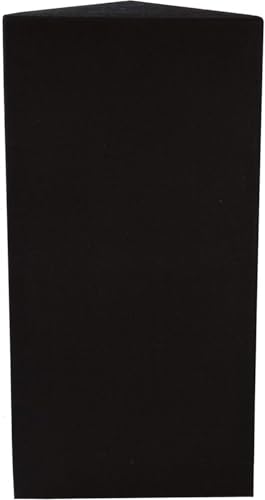
- 24-by-48-by-13-inch framed corner design
- Stated NRC of 1.40 for sound absorption
- Includes mounting hardware and installation template
Best For: Dedicated mixing rooms needing durable corner coverage
Portable Gobo System

- Freestanding, installation-free acoustic treatment
- Restacks for drum surrounds, amp isolation, and booths
- Rockwool construction absorbs bass, mid, and high frequencies
Best For: Flexible studios that frequently change layouts
Best Ceiling-Corner Coverage

- Purpose-built for ceiling corners
- Deep 12-inch foam profile
- Four-pack with mounting tabs
Best For: Studios needing upper-corner treatment while preserving floor space
Best Freestanding Option
TroyStudio Stackable Bass Traps

- No-tool, freestanding installation
- Stackable floor-to-ceiling coverage
- Hybrid felt and open-cell foam design
Best For: Renters and studios needing movable corner treatment
Best Decorative Wood Design
REBAT Narrow Corner Bass Traps

- Perforated wood and acoustic foam
- Compact 19.7-inch corner format
- Stated NRC of 0.41
Best For: Rooms needing narrow, furniture-friendly corner treatment
Compact Corner Coverage

- Eight compact 8 x 8 x 12-inch corner traps
- High-density, CA117 fire-retardant foam
- Adhesive required; allow 24–48 hours to expand
Best For: Compact home studios and podcast rooms
Fuller Corner Treatment
12-Pack Acoustic Foam Bass Traps

- Twelve 12 x 7 x 7-inch corner blocks
- Targets low- and mid-frequency sound waves
- Pairs with acoustic foam wall panels
Best For: Multi-corner studio and theater treatment
Easy-Install Upgrade

- 30 kg/m³ upgraded-density foam
- Includes 30 removable adhesive tape pieces
- Large traps for corners and ceilings
Best For: Studios needing included, wall-friendly installation
Wood-Frame Corner Pair – 24-Inch Wooden Bass Traps
These 24-inch wooden corner panels are a practical option when shopping for bass traps for home studio use. Their solid wood frames, fiberglass interiors, and fabric covering are designed to address low- and mid-frequency buildup, reverb, and flutter echo in small to medium-sized rooms.
Best For: Home studios, podcast rooms, listening rooms, home theaters, and other smaller spaces needing targeted corner treatment.
Pros:
- Solid wood frame with fabric covering and fiberglass interior.
- Designed for trihedral corner problems and low-frequency control.
- Suitable for studios, podcasts, video work, offices, and living spaces.
- Flame-retardant, recyclable, odorless, and non-toxic materials are specified.
Cons:
- The pair is aimed at low- and mid-frequency treatment rather than full-room coverage.
- The supplied dimensions list is inconsistent with the stated 24-by-12-inch panel size, so verify measurements before ordering.
Choose this pair if you want a traditional framed look and focused corner treatment without committing to a larger modular system. Additional acoustic treatment may still be needed for reflection points and broader room control.
Modular Foam Corner Pair – Stackable Delta Bass Traps
For shoppers comparing bass traps for home studio setups, this two-pack emphasizes deep, stackable foam treatment for vertical wall corners. The 16.5-by-15.8-by-12-inch open-cell polyurethane foam bodies are intended to help control low-frequency buildup where two walls meet.
Best For: Modular studio layouts that need scalable vertical corner coverage and a lightweight installation approach.
Pros:
- Deep 12-inch corner profile provides more porous depth than a standard wall panel.
- Flat top and bottom surfaces allow units to be stacked.
- 30 double-sided adhesive mounting tabs are included.
- Can be combined with other corner and reflection-point treatments.
Cons:
- Polyurethane foam construction may offer a different visual and material feel than framed fabric traps.
- Two units provide targeted corners rather than complete floor-to-ceiling coverage.
This is a sensible pick when flexibility and expandability matter. Start with one pair in problem corners, then add units if you want taller columns or broader low-end control.
High-Absorption Framed Trap – 48-Inch Low-Frequency Corner Trap
ATS Acoustics Corner Bass Trap, Low Frequency Range, NRC 1.40, 24" x 48" x 13" (Black)
Check Price On AmazonThis 24-by-48-by-13-inch framed unit is built for shoppers who want substantial corner coverage from bass traps for home studio applications. Its stated NRC of 1.40 and low-range design aim to absorb low frequencies while reflecting high frequencies for a more controlled studio sound.
Best For: Recording and mixing rooms that need a tall, durable corner trap with a finished furniture-style appearance.
Pros:
- Large 48-inch height and 13-inch depth provide substantial corner treatment.
- Rated NRC 1.40 for sound absorption.
- Solid wood internal frame protects the trap’s edges and corners.
- Natural jute fabric, included mounting hardware, and a template support a finished installation.
Cons:
- At 41 pounds, it is considerably heavier than foam-based alternatives.
- Its large size may require more planning and wall or corner space.
- It is a fixed installation rather than a portable treatment.
Consider this model when durability, appearance, and substantial low-frequency corner coverage take priority over portability. Its heavier framed construction makes it better suited to a dedicated room than a frequently rearranged setup.
Portable Gobo System – Studio Stacker Bass Trap
This Studio Stacker is a flexible alternative for bass traps for home studio use, combining a bass trap, gobo, and general sound absorber in a freestanding 24-by-36-by-10-inch cabinet. It can be restacked for different arrangements and used for drum surrounds, amp isolation, or vocal-booth-style setups.
Best For: Studios that need installation-free, repositionable acoustic treatment for recording and room-setup changes.
Pros:
- Freestanding design requires no permanent installation.
- Can be stacked and rearranged for different applications.
- Rockwool layers are designed to absorb bass, mid, and high frequencies.
- Ships fully assembled except for the rubber feet.
Cons:
- At approximately 40 to 47 pounds as listed, it is not especially light to move frequently.
- Its 10-inch depth and cabinet footprint require dedicated floor space.
- As a freestanding unit, it does not provide the same wall-mounted appearance as a conventional panel.
This is the strongest choice of the group for changing room layouts and multipurpose recording tasks. Pick it when portability and repositioning are more valuable than a permanent corner installation.
Best Ceiling-Corner Coverage – Triangular Pyramid Bass Traps
These triangular pyramid traps are a purpose-built option for treating ceiling corners, where two walls meet the ceiling. For anyone comparing bass traps for home studio use, their deep open-cell polyurethane foam and space-saving placement can help address boomy corner buildup without using floor space.
Best For: Home studios, podcast rooms, rehearsal spaces, and home theaters needing upper-corner treatment.
Pros:
- Designed specifically for trihedral ceiling corners.
- Deep 12-inch profile provides more porous treatment depth than standard wall panels.
- Four-pack treats up to four ceiling corners while preserving floor space.
- Includes 30 double-sided adhesive mounting tabs.
Cons:
- Ceiling-corner placement may require more planning than freestanding traps.
- Designed as part of a broader treatment system rather than a complete room solution by itself.
This is a practical choice when upper corners are the main untreated areas or when you want to keep vertical corners available for additional bass traps. Pairing them with reflection-point panels and vertical-corner treatment can provide more complete room coverage.
Best Freestanding Option – TroyStudio Stackable Bass Traps
These stackable cylindrical absorbers offer a flexible approach to bass traps for home studio setups. Their freestanding design requires no brackets or adhesive, while the hybrid felt-and-foam construction is intended to absorb low frequencies, reduce resonance, and remain easy to reposition.
Best For: Renters, home studios, podcast rooms, listening rooms, gaming rooms, and home theaters that need movable corner treatment.
Pros:
- Freestanding setup avoids permanent mounting or adhesive damage.
- Stackable design can cover corners from floor to ceiling.
- 360-degree felt shell absorbs from multiple angles and diffuses high frequencies.
- Charcoal geometric design can also function as a plant stand or display pedestal.
Cons:
- The inner foam arrives vacuum-compressed and may take up to 48 hours to fully restore.
- Each unit occupies floor space compared with wall- or ceiling-mounted treatment.
- Cleaning requires gentle patting or low-suction vacuuming.
Choose this pair if flexibility and renter-friendly installation matter as much as acoustic treatment. The stackable format makes it easier to adjust coverage as your room or recording setup changes.
Best Decorative Wood Design – REBAT Narrow Corner Bass Traps
These narrow oak-finish traps combine perforated laminated HDF with acoustic foam for corner placement. For buyers seeking bass traps for home studio rooms with a more furniture-like appearance, they offer low-frequency absorption and a stated scattering range from 63Hz to 2000Hz in a compact wall-corner format.
Best For: Home studios, music rooms, offices, bedrooms, podcast rooms, and home theaters where appearance and narrow corner installation are important.
Pros:
- Wood-and-foam construction provides a decorative alternative to conventional foam traps.
- Narrow 19.7-by-9.25-by-4-inch format suits corner installation.
- Specified for low-frequency absorption with an overall NRC of 0.41.
- Includes double-sided adhesive tape for mounting.
Cons:
- Ceiling-wall installation may require construction adhesive in addition to the included tape.
- Only two units are included, so larger rooms may need additional treatment.
- Wood construction may be less visually discreet than fabric-covered treatment.
This pair is a strong fit when you want corner treatment that blends more naturally with a finished room. Its compact design works well where wider traps would be difficult to place, though complete low-frequency control may require more units or complementary acoustic treatment.
Compact Corner Coverage – SODOCT 8-Pack Bass Traps
If you need bass traps for home studio corners, this eight-piece SODOCT set provides a compact polyurethane-foam option for targeting low-frequency buildup. Each trap measures 8 x 8 x 12 inches and can be mounted vertically in room corners or arranged in ceiling corners.
Best For: Home studios, podcast rooms, instrument rooms, and other spaces needing compact corner treatment.
Pros:
- Eight high-density polyurethane foam corner traps.
- CA117 fire-retardant material with low odor.
- Suitable for floor-to-ceiling corner placement or ceiling corners.
- Works in studios, home theaters, vocal booths, and similar rooms.
Cons:
- Double-sided tape or spray adhesive is not included.
- Requires 24–48 hours of expansion after compressed shipping.
This is a practical pick when you want multiple compact traps and already have a preferred mounting method. Allow the foam to fully expand in a ventilated area before installation.
Fuller Corner Treatment – 12-Pack Acoustic Foam Bass Traps
For buyers looking to cover more corners, this 12-pack of acoustic foam bass traps offers multiple 12 x 7 x 7-inch blocks for home studios and theaters. The high-density polyurethane foam is designed to help address low-end response alongside regular acoustic panels.
Best For: Larger or multi-corner rooms where a 12-piece treatment set can be combined with wall panels.
Pros:
- Includes 12 corner foam blocks for broader room treatment.
- Designed to absorb low- and mid-frequency sound waves.
- Can complement acoustic foam panels for reverb and flutter-echo control.
- Made from flame-retardant, non-toxic polyurethane material.
Cons:
- Ships compressed and needs about 24 hours to regain its shape.
- The supplied notes do not specify mounting hardware or adhesive.
The larger count makes this set useful when you want to treat several corners rather than just one or two. Plan your mounting approach and allow the blocks to recover fully before installation.
Easy-Install Upgrade – 4-Pack 16.5-Inch Bass Traps
These bass traps for home studio use stand out for their larger 16.5 x 6.3 x 12-inch format and included removable adhesive tape. The four high-density traps are designed for corners and ceilings, helping reduce unwanted reflections, reverb, and mid-to-low-frequency interference.
Best For: Studio, podcast, rehearsal, and home-theater users who want included wall-mounting supplies.
Pros:
- Updated 30 kg/m³ density for low-frequency treatment.
- Includes 30 removable double-sided adhesive tape pieces.
- Fireproof and non-toxic material.
- Large corner-trap dimensions support ceiling and corner installation.
Cons:
- Only four traps are included.
- Each trap requires six pieces of tape for installation.
This set is a convenient choice when installation simplicity matters and you prefer a larger trap profile. Its four-piece quantity may suit focused treatment, but broader coverage could require additional acoustic products.
How We Picked These Bass Traps for Home Studio Use
We focused on products designed specifically for corners or low-frequency absorption, where bass energy commonly collects. The selection includes foam, felt, wood-framed, and hybrid-style options in several sizes and formats. We also considered installation requirements, portability, corner coverage, pack size, and suitability for rooms with limited wall space.
Because product specifications vary, treat published absorption claims and NRC ratings as comparison points rather than guarantees. Room dimensions, placement, construction, and air gaps behind a trap all affect real-world performance.
Quick Comparison
| Type | Best For | Main Advantage | Consideration |
|---|---|---|---|
| Large corner traps | Dedicated studios | More coverage and substantial treatment | Need adequate corner space |
| Foam corner blocks | Budget-conscious setups | Lightweight and easy to install | Usually less effective at very low frequencies |
| Freestanding traps | Renters or flexible rooms | Portable placement | Require floor space and stable positioning |
| Ceiling-corner traps | Rooms with treated wall corners | Uses overlooked reflection areas | Installation can be more involved |
| Wooden or framed traps | Permanent studio builds | Durable, finished appearance | Typically heavier and less discreet |
Key Buying Factors for Bass Traps for Home Studio
Coverage and Thickness
Look beyond the number of pieces. Larger, deeper traps generally cover more of the corner and can provide better broadband absorption than thin decorative foam. Measure each corner before ordering, especially if you have doors, shelving, windows, or monitor stands nearby.
Material and Low-Frequency Performance
Porous absorbers work best when they have enough depth and surface area. Foam can help reduce reflections and some upper-bass energy, while thicker mineral-wool-style or framed designs are often preferred for more serious low-end control. A stated NRC rating is useful, but it does not describe performance equally across every frequency.
Installation and Air Gaps
Corner mounting is common, but some products are freestanding or stackable. An air gap between an absorber and the wall can improve absorption at lower frequencies. Choose a mounting method you can safely support, particularly for ceiling-corner products.
Appearance, Safety, and Maintenance
Consider whether the finish suits your room and whether the material sheds fibers, collects dust, or needs a protective frame. Check included hardware, fire-treatment information, dimensions, and return policies before installing a full set.
Who Should Buy Which Bass Traps for Home Studio?
Choose large wooden or framed corner traps if you have a dedicated mixing room and want substantial, permanent treatment. Choose freestanding or stackable models if you rent, rearrange equipment, or need to move treatment between recording positions. Choose compact foam packs for a lower-cost first step, small rooms, or supplemental treatment after the main bass problem has been addressed. Choose ceiling-corner traps when the wall corners are already occupied or you want to extend treatment above ear level.
For the best result, install traps symmetrically where possible, treat the front and rear corners first, and verify changes with test tones, room-measurement software, or carefully matched reference tracks.