Outdoor filming demands more support than handheld shooting can provide, but a full tripod is not always practical. The best camera monopods for outdoor filming add stability, improve control, and pack down quickly for travel, events, wildlife, and action footage.
This roundup compares 10 aluminum and carbon-fiber models across height, load capacity, portability, locking systems, feet, and head compatibility so you can choose support that fits your camera kit and shooting style.
Best 10 Camera Monopods for Outdoor Filming Picks for 2026
Budget-Friendly Outdoor Essential
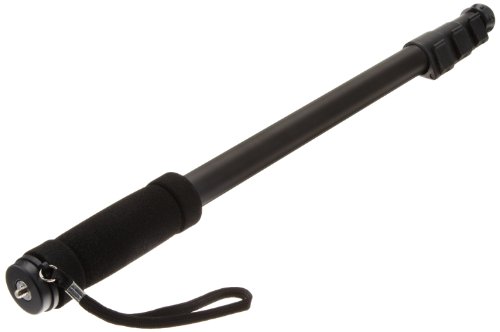
- 67-inch, four-section aluminum design
- Rubber foot and retractable spikes
- Lightweight build with carrying bag
Best For: Casual outdoor filming and travel photography
High-Capacity Travel Pick

- 17.6-pound stated load capacity
- Interchangeable rubber and spike feet
- Compact 17.3-inch folded length
Best For: Heavy camera setups and varied outdoor terrain
Premium Carbon Fiber Choice
Koolehaoda 62-Inch Carbon Fiber Monopod

- 22-pound capacity with carbon fiber construction
- Six-section, 15-to-62-inch adjustment
- Includes spike, phone holder, and carrying bag
Best For: Heavy telephoto and professional outdoor setups
Lightweight Hiking Companion

- 61-inch aluminum monopod with 11.02-pound capacity
- Folds to about 16.9 inches and weighs 0.83 pound
- Monopod, selfie-stick, and trekking-pole modes
Best For: Travel, hiking, and lightweight outdoor camera kits
Best Lightweight Pick

- Only 0.59 pounds
- Folds to 16.75 inches
- Rubber foot and retractable spike
Best For: Lightweight hiking and travel setups
Best Travel Load Capacity

- 15.4-pound stated load capacity
- 65-inch height with five sections
- Interchangeable rubber and metal feet
Best For: Travel, sports, and wildlife filming
Best Premium Support
SmallRig 65.6-Inch Carbon Fiber Monopod

- One-touch height adjustment
- 11-pound ball head capacity
- Accessory mounting and bubble level
Best For: Heavier outdoor video rigs
Travel Stability Pick
Manbily A-222 Aluminum Monopod

- 21–67-inch five-section aluminum design
- 15.5-pound load rating
- Rubber foot, metal spike, and foldable base
Best For: Portable outdoor camera support on varied surfaces
Convertible Outdoor Pick

- Converts between tripod and monopod
- 71-inch maximum height with 16.9-inch folded size
- 360-degree ball head and 33-pound vertical payload
Best For: Traveling creators who need multiple support modes
Fluid-Head Video Pick

- Q6 fluid head with 360-degree pan control
- 73.2-inch height and 22-pound load rating
- Three support modes with removable tripod base
Best For: Outdoor video shooters needing fluid movement and flexible setups
Budget-Friendly Outdoor Essential – Amazon Basics 67-Inch Monopod
For shoppers comparing camera monopods for outdoor filming, this Amazon Basics model offers straightforward height adjustment, a lightweight aluminum build, and support for cameras or scopes weighing up to 6.6 pounds.
Best For: Casual outdoor filming, travel photography, and shooters who want an affordable, lightweight monopod with a carrying bag.
Pros:
- Extends to 67 inches with four adjustable sections.
- Non-skid rubber foot and retractable spikes help on varied surfaces.
- Weighs less than 1 pound and includes a cushion grip, wrist strap, and carrying bag.
Cons:
- Its 6.6-pound capacity is lower than the heavier-duty options in this roundup.
- It is not water resistant.
This is a practical entry-level choice when portability and basic outdoor support matter more than premium materials or a very high load rating.
High-Capacity Travel Pick – NEEWER TP41 Camera Monopod
Among camera monopods for outdoor filming, the NEEWER TP41 stands out for its 17.6-pound stated capacity, compact folded size, and interchangeable feet for hard and soft terrain.
Best For: Outdoor creators using heavier DSLR, mirrorless, camcorder, gimbal, or video-rig setups.
Pros:
- Supports up to 17.6 pounds while weighing about 0.88 pound.
- Folds to 17.3 inches and includes a wrist strap and rubber handgrip.
- Uses flip locks and offers height settings up to 155 centimeters.
- Includes a 1/4-inch to 3/8-inch screw adapter and interchangeable rubber or steel spike feet.
Cons:
- It is not water resistant.
- The supplied information does not mention an included carrying bag.
With its broad mounting compatibility and terrain-oriented foot options, the TP41 is a flexible pick for filming on trails, grass, sand, rocks, and indoor floors.
Premium Carbon Fiber Choice – Koolehaoda 62-Inch Carbon Fiber Monopod
For demanding camera monopods for outdoor filming, the Koolehaoda MP-286C combines a carbon fiber construction with a 22-pound load rating, six-section adjustment, and a compact 15-inch folded length.
Best For: Wildlife, sports, interviews, travel, and outdoor filming with heavier telephoto or video equipment.
Pros:
- 10-layer carbon fiber construction is designed to provide rigidity and vibration dampening.
- Supports up to 22 pounds while weighing about 1.43 pounds.
- Adjusts from 15 to 62 inches using dustproof twist locks.
- Includes a reversible 1/4-inch and 3/8-inch mounting plate, phone holder, metal spike, and carrying bag.
Cons:
- It is not water resistant.
- Its 62-inch maximum height is slightly shorter than some alternatives.
This is the strongest and most feature-rich option here for users who value high capacity, carbon fiber portability, and multiple mounting possibilities.
Lightweight Hiking Companion – ULANZI TB12 61-Inch Monopod
If you want camera monopods for outdoor filming that can also accompany a hike, the ULANZI TB12 offers a lightweight aluminum design, compact folding size, and modes for monopod, selfie-stick, and trekking-pole use.
Best For: Hobbyist photographers, travelers, hikers, and creators carrying compact cameras, CSCs, or DSLRs.
Pros:
- Extends to 61 inches and supports up to 11.02 pounds.
- Weighs about 0.83 pound and folds to approximately 16.9 inches.
- Five-section design provides five listed height settings from 16.9 to 61 inches.
- Can be used as a monopod, selfie stick, walking stick, hiking stick, or trekking pole.
Cons:
- It is not water resistant.
- The supplied information does not mention interchangeable spike feet.
The TB12 is a versatile travel-oriented option for creators who want one compact support tool that fits easily into outdoor and carry-on-focused kits.
Best Lightweight Pick – Altura Photo 62-Inch Monopod
For camera monopods for outdoor filming, the Altura Photo 62-Inch Monopod is a compact aluminum option that is easy to carry on hikes or pack in a carry-on. It extends to 62 inches, supports up to 5 pounds, and includes a rubber foot with a retractable spike for varied terrain.
Best For: Hikers and casual outdoor filmmakers who prioritize low weight and compact storage.
Pros:
- Weighs just 0.59 pounds and folds to 16.75 inches.
- Universal 1/4-inch thread with a 3/8-inch screw adapter supports cameras, video cameras, ball heads, and scopes.
- Foam grip, wrist strap, nonskid rubber foot, and retractable leg spike improve handling outdoors.
Cons:
- Its 5-pound weight limit is lower than some heavier-duty alternatives.
- It has four leg sections, which may require more adjustments when changing height.
The Altura is a practical choice when portability matters most. Its small folded size and outdoor-friendly foot make it especially convenient for travel and walking-based shoots, though users with heavier camera setups should stay within its 5-pound capacity.
Best Travel Load Capacity – Manbily E-222 65-Inch Monopod
The Manbily E-222 is a strong contender among camera monopods for outdoor filming, combining a 65-inch maximum height with a compact 19.7-inch folded length. Its aluminum construction supports up to 15.4 pounds, while interchangeable rubber and metal feet suit travel, sports, and wildlife work.
Best For: Outdoor shooters who want a portable monopod with a higher stated load capacity.
Pros:
- Supports up to 15.4 pounds with aerospace-grade CNC aluminum construction.
- Five sections adjust from 19.7 to 65 inches using quarter-turn locks.
- Includes a reversible 1/4-inch-20 and 3/8-inch-16 screw, metal spike, carry bag, and phone holder.
- Textured rubber grip and removable wrist strap provide added handling security.
Cons:
- At 0.93 pounds, it is heavier than the lightest option in this roundup.
- The 19.7-inch folded length is less compact than the Altura model.
The E-222 balances portability and support well for demanding outdoor trips. Its interchangeable feet and broad mounting compatibility add flexibility, while the five-section design makes it easy to pack without sacrificing full-height reach.
Best Premium Support – SmallRig 65.6-Inch Carbon Fiber Monopod
For filmmakers needing more support and control, the SmallRig carbon fiber monopod offers one-touch height adjustment, a built-in bubble level, and a ball head rated for up to 11 pounds. It reaches 65.6 inches and includes accessory-mounting options for expanded outdoor filming configurations.
Best For: Video creators using heavier rigs who want fast adjustments and accessory flexibility.
Pros:
- Carbon fiber legs extend from 26.8 to 65.6 inches and support up to 33 pounds at the legs.
- One-touch locking enables quick one-handed height adjustments.
- Ball head supports up to 11 pounds and includes a built-in bubble level.
- 1/4-inch-20 accessory hole and double-ended 1/4-inch-20/3/8-inch-16 spigot expand mounting options.
Cons:
- At 3.8 pounds, it is substantially heavier than the travel-oriented models.
- Its 26.8-inch storage length is less convenient for compact carry.
- The ball head’s stated capacity is 11 pounds, below the legs’ 33-pound rating.
The SmallRig is the most feature-rich choice here for controlled video work and heavier camera configurations. Its quick adjustment system and accessory expansion are useful on location, but its higher weight and larger folded size favor planned shoots over ultralight travel.
Travel Stability Pick – Manbily A-222 Aluminum Monopod
For camera monopods for outdoor filming, the Manbily A-222 offers a lightweight, compact setup with useful footing options for paved paths and softer ground. Its five-section aluminum design extends from 21 to 67 inches and supports up to 15.5 pounds.
Best For: Travelers and outdoor shooters who want a portable monopod with interchangeable rubber and spike feet.
Pros:
- Folds to 21 inches and weighs about 0.67 kg for easier carrying.
- Supports up to 15.5 pounds with an anodized aluminum construction.
- Includes a foldable three-foot base, wrist strap, rubber foot, and metal spike.
- 1/4-turn locks allow quick height adjustments from 21 to 67 inches.
Cons:
- The base is intended to improve stability, not to function as a standalone tripod.
- It does not include a ball head.
- The narrowest tube section is best left unextended when maximum stability matters.
The A-222 is a practical choice when portability and adaptable ground contact are more important than advanced video-head features. Keep the wrist strap secured during use, especially on uneven outdoor terrain.
Convertible Outdoor Pick – SmallRig CT-10 Tripod Monopod
The SmallRig CT-10 is a flexible option among camera monopods for outdoor filming because it converts from a full tripod into a monopod. It reaches 71 inches, folds to 16.9 inches, and includes a rotating ball head for horizontal and vertical shooting.
Best For: Hikers, travelers, and content creators who want one support system that can switch between tripod and monopod use.
Pros:
- 2-in-1 design provides both tripod and monopod configurations.
- 360-degree ball head supports horizontal and vertical positioning.
- Adjusts from 16 to 71 inches with four-section legs and flip locks.
- Supports up to 33 pounds vertically and includes three 1/4-inch accessory threads.
Cons:
- Weighs 3.4 pounds, making it heavier than a basic travel monopod.
- Telephoto lenses may require an additional tripod or lens mount ring for balance.
- It is not water resistant.
The CT-10 suits outdoor filmmakers who value versatility and accessory expansion. Its ball head and conversion design add capability, while the heavier build may be a worthwhile tradeoff for users who also need a conventional tripod.
Fluid-Head Video Pick – COMAN KX3232Q6 Monopod
For camera monopods for outdoor filming that need smoother video movement, the COMAN KX3232Q6 combines a removable tripod base with an upgraded Q6 fluid head. It extends to 73.2 inches, supports up to 22 pounds, and offers multiple setup options for uneven ground and low-angle work.
Best For: Video shooters using cameras, camcorders, or compatible DJI and Manfrotto accessories who want fluid-head control and adaptable support.
Pros:
- Q6 fluid head provides 360-degree panning and +90/-60-degree tilt.
- Supports fixed monopod, portable stand, and low-angle tripod configurations.
- Five-section aluminum design reaches 73.2 inches and folds to 26 inches.
- Quick-release system and built-in hex keys streamline camera installation.
Cons:
- At 3.9 pounds, it is less lightweight than simpler monopods.
- The system is not water resistant.
- Its 26-inch folded length may be less compact for some travel bags.
The KX3232Q6 is the strongest fit here for dedicated video work, particularly when fluid panning, quick rig changes, and multiple support modes matter. Its heavier construction and included head favor capability over minimal carry weight.
How We Picked the Best Camera Monopods for Outdoor Filming
We focused on the features that matter most when support must be carried and repositioned quickly outdoors: maximum height, folded length, section count, construction material, stated load capacity, foot design, locking mechanism, head compatibility, and included accessories. Aluminum models generally offer strong value and durability, while carbon fiber can reduce weight and improve portability. We also included conventional monopods and models with removable tripod-style bases so different filming situations are represented.
Specifications can vary by seller and configuration, so verify the listed capacity, thread size, head type, and included base before ordering. A manufacturer’s maximum load rating is a starting point—not a guarantee of ideal stability with a large camera, telephoto lens, or moving setup.
Quick Comparison
- Best value: Amazon Basics and NEEWER options are practical choices for straightforward camera support.
- Best for low weight: Carbon-fiber models from Koolehaoda and SmallRig are worth considering for long walks and travel.
- Best for flexible setups: Models with feet or removable tripod bases can stand briefly on their own while still functioning as monopods.
- Best for extra reach: The taller 71- and 73.2-inch designs suit standing operators and elevated viewpoints.
Key Buying Factors for Camera Monopods for Outdoor Filming
Height and Folded Size
Choose a monopod that reaches a comfortable operating height without forcing you to hunch. A shorter folded length is easier to pack, but additional sections may mean more locks to adjust and potentially less rigidity when fully extended.
Material and Load Capacity
Aluminum is typically affordable and robust, though heavier. Carbon fiber is useful when every ounce matters. Match the capacity to the complete setup, including the camera, lens, microphone, monitor, and any cage or accessories—not just the camera body.
Feet, Bases, and Heads
A rubber foot helps with grip on hard surfaces, while a removable tripod base can improve balance for static shots. These bases do not replace a full tripod for unattended filming or windy conditions. For video, a compatible fluid or ball head can make tilting and reframing smoother than a basic fixed mount.
Locks and Outdoor Handling
Twist locks are compact and clean, while flip locks are often faster to inspect and adjust. Look for secure locking action, a comfortable grip, wrist strap, and a foot suited to your terrain. A carrying bag is useful for transport but does not protect equipment from severe weather.
Who Should Buy Which Camera Monopods for Outdoor Filming?
Travel and event shooters should prioritize compact folded dimensions, low weight, and fast adjustment. DSLR and mirrorless users with moderate lenses can choose a sturdy aluminum model with a rubber foot for an affordable everyday setup. Wildlife, sports, and telephoto users should favor higher capacity, maximum rigidity, and a head that supports controlled movement. Solo filmmakers may prefer a model with feet or a removable tripod base for brief hands-free framing, while remembering that extra stability features can increase weight and bulk. If your setup is heavy, your location is windy, or you need unattended support, a full tripod may still be the safer choice.