Electronic learning toys for toddlers can make early skill-building feel like play, with simple buttons, songs, lights, and prompts that keep little ones engaged.
We picked options that support letters, numbers, colors, and cause-and-effect learning while staying age-appropriate, easy to use, and fun for everyday play.
Best 10 Electronic Learning Toys for Toddlers Picks for 2026
Smart Stages Pick
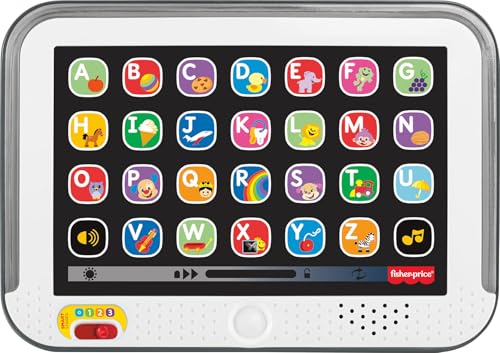
- 3 Smart Stages learning levels
- 28 buttons with lights and sounds
- Teaches letters, colors, and objects
Best For: Toddlers ages 1 to 3 who like interactive pretend tablets
Pretend Laptop Pick
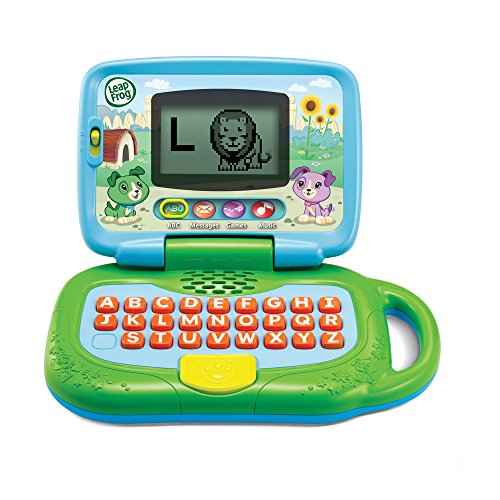
- 4 learning modes with ABCs and music
- Teaches letters, names, and vocabulary
- Portable handle for easy carry
Best For: Ages 2 to 4 who enjoy laptop-style pretend play
Multilingual Tablet Pick

- English, Spanish, and French learning
- 4 modes: learning, quiz, music, pretend
- 39 icons for hands-on interaction
Best For: Ages 1 to 3 needing multilingual, travel-friendly learning play
Toy Phone Pick

- Counts numbers 0 to 10
- Pretend calls, voicemail, and Scout
- Songs, melody, and simple games
Best For: Ages 18 months to 5 years who enjoy pretend phone play
Penguin Pick
Musical Penguin Learning Toy for Toddlers

- Spinning lights plus spoken words and sound effects
- 5 themes: animals, fruits, vehicles, veggies, foods
- Supports fine motor skills and cause-and-effect play
Best For: Toddlers 1-3 who like interactive, light-up learning
Laptop Learner
LeapTop Touch 2-in-1 Learning Laptop

- Flips from keyboard to tablet mode
- Five modes: ABCs, numbers, games, music, messages
- Includes letters A-Z, numbers 1-10, and role-play features
Best For: Ages 2-5 who enjoy pretend tech play and early learning
Apple Academy
ABC Learning Apple with Light-Up Letters
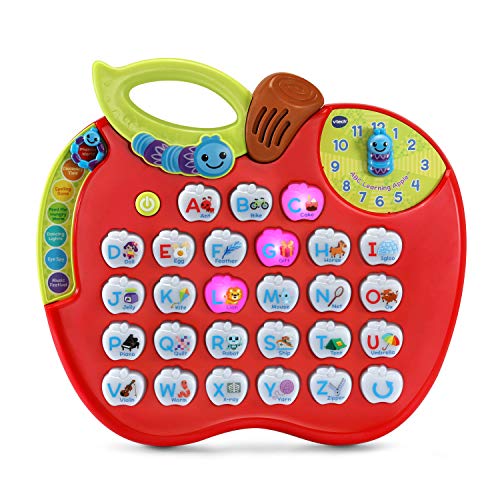
- Eight activities cover letters, phonics, spelling, and more
- 26 light-up buttons say letter names and sounds
- Seven play modes plus a quiz mode add variety
Best For: Ages 2-5 focused on alphabet and phonics practice
LeapFrog Preschool Prep Book
LeapFrog Prep for Preschool Activity Book

- Touch-sensitive pages teach letters, numbers, colors, and shapes.
- Marker pages support tracing, matching, and line drawing.
- Good for ages 3+ with replayable pre-writing practice.
Best For: Preschoolers building early literacy and writing confidence.
Talking ABC Wall Chart
Electronic Alphabet Wall Chart

- Touch-activated poster teaches ABCs, numbers, shapes, and colors.
- Includes songs, volume control, and extra learning cards.
- Lightweight design works well for home or travel use.
Best For: Toddlers who like music-based alphabet and number practice.
VTech Writing Center
Write and Learn Creative Center
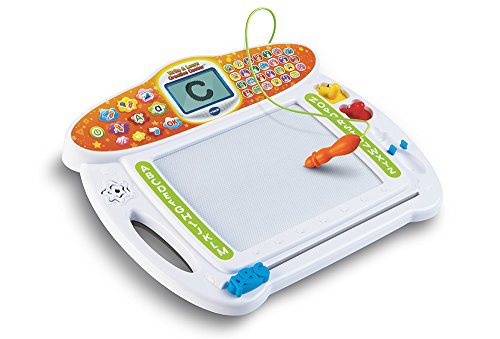
- Animated lessons teach letter stroke order and tracing.
- Custom name practice supports early handwriting skills.
- Stencil drawing progresses from shapes to objects.
Best For: Kids ages 3 to 6 practicing writing and drawing fundamentals.
Smart Stages Pick – Toddler Pretend Computer
If you want electronic learning toys for toddlers that feel like a real device without the complexity, this Fisher-Price tablet is a practical pick. It combines 28 buttons, lights, and 100+ songs, sounds, and phrases to keep little ones engaged while introducing letters, familiar objects, and colors through three Smart Stages levels.
Best For: Toddlers ages 1 to 3 who enjoy button-pressing pretend play with lights, music, and early learning content.
Pros:
- 3 Smart Stages levels grow with your child and add learning variety.
- 28 “app” buttons create plenty of hands-on interaction.
- Lights and music help reinforce cause-and-effect and fine motor play.
- Introduces the alphabet, familiar objects, and colors in a playful format.
Cons:
- Requires 3 AAA batteries, which are included.
- Pretend computer format may be less appealing if you want a more open-ended toy.
This is a straightforward toddler tablet toy that leans into repetition, lights, and simple educational prompts. It’s a solid option for early learners who like cause-and-effect play and hands-on buttons.
Pretend Laptop Pick – Green My Own Leaptop
For families comparing electronic learning toys for toddlers, this LeapFrog laptop stands out for simple role-play and early literacy practice. It offers four learning modes—ABCs, Messages, Games, and Music—plus songs and melodies that encourage letter recognition, animal vocabulary, and pretend computer play.
Best For: Toddlers ages 2 to 4 who want a carryable pretend laptop for letters, music, and role-play.
Pros:
- Four learning modes keep play varied and easy to revisit.
- Helps teach the alphabet, spell names, and build early vocabulary.
- Take-along handle makes it easy to move from room to room.
- Includes 16 songs and melodies for extra engagement.
Cons:
- Batteries are included for demo use only, so replacements are recommended for regular play.
- Best suited to ages 2+ rather than younger toddlers.
This is a good choice if you want a toddler-friendly laptop toy that focuses on basic letter learning and pretend communication. The format is simple, portable, and age-appropriate for preschool-ready kids.
Multilingual Tablet Pick – Trilingual Montessori Tablet
This trilingual learning tablet is a strong option if you want electronic learning toys for toddlers with broader language and topic coverage. It includes learning, quiz, music, and pretend-play modes, and it introduces letters, shapes, colors, numbers, animals, vehicles, instruments, fruits, and dates in English, Spanish, and French.
Best For: Toddlers ages 1 to 3 who benefit from multilingual learning, quizzes, and lightweight travel-friendly play.
Pros:
- Trilingual content in English, Spanish, and French adds language variety.
- Four play modes include learning, quiz, music, and pretend play.
- 39 icons provide plenty of press-and-learn interaction.
- Lightweight design with rounded edges is suited to small hands.
Cons:
- Manual operation means it does not automatically guide play.
- Coverage is broad, so it may feel less focused than simpler single-subject toys.
This tablet is best if you want a more content-rich toddler learning toy with language switching and multiple activity styles. It’s especially appealing for families who want travel-friendly educational play with lots of different prompts.
Toy Phone Pick – Chat and Count Emoji Phone
If you want electronic learning toys for toddlers that feel like a toy phone, this LeapFrog option mixes counting practice with pretend conversations. It covers numbers 0-10, listening, manners, music, and simple games, while the light-up buttons and Scout interactions keep the play format lively and familiar.
Best For: Toddlers 18 months to 5 years who like phone pretend play with counting, music, and simple games.
Pros:
- Light-up number buttons help introduce counting from 0 to 10.
- Pretend calls, voicemail, and Scout interactions support role-play.
- Includes songs, a melody, and multiple game modes for variety.
- Compact phone shape is easy for small hands to hold.
Cons:
- Batteries are included for demo use only, so replacements may be needed.
- Learning focus is narrower than multi-subject tablet toys.
This is a useful choice for toddlers who love imitating grown-up phone behavior while practicing early counting and listening skills. It balances playful role-play with simple educational content in a very portable form.
Penguin Pick – Musical Penguin Learning Toy for Toddlers
If you’re comparing electronic learning toys for toddlers, this musical penguin is a simple way to mix light-up fun with early vocabulary. It uses spinning lights, spoken words, real sounds, and music to keep little ones curious while introducing animals, fruits, vehicles, veggies, and foods.
Best For: Toddlers ages 1-3 who enjoy buttons, lights, and early word play.
Pros:
- 5 themed learning pages cover animals, fruits, vehicles, veggies, and foods.
- Lights, sounds, and spoken words make each interaction feel like a discovery game.
- Large colorful buttons and smooth edges suit little hands.
- Supports fine motor skills, hand-eye coordination, and cause-and-effect learning.
Cons:
- Designed around basic early learning, so it won’t stay challenging for long as kids get older.
- Requires active button pressing and page turning, which may be more engaging for hands-on toddlers than passive listeners.
This is a practical pick if you want a toddler toy that combines early language exposure with simple interactive play. It looks especially useful for home or daycare use where durable, low-pressure learning matters.
Laptop Learner – LeapTop Touch 2-in-1 Learning Laptop
For families shopping electronic learning toys for toddlers, this 2-in-1 learning laptop gives kids a familiar pretend-computer format with multiple ways to play. It flips from keyboard to tablet mode and includes ABCs, numbers, games, music, and messages for preschool-ready practice.
Best For: Ages 2-5 who like role-play tech toys and early letter/number activities.
Pros:
- 2-in-1 design switches between laptop and tablet modes.
- Five learning modes cover ABCs, numbers, games, music, and messages.
- Keyboard includes letters A-Z and numbers 1-10.
- Role-play features let kids imitate grown-up computer use and practice spelling their name.
Cons:
- Uses 3 AA batteries, so ongoing battery replacement may be needed.
- Intended for ages 2-5, so it is less suitable for younger toddlers.
This is a strong choice if you want a toddler-friendly tech toy that emphasizes pretend play alongside early academic skills. The flip design adds variety without making the learning format complicated.
Apple Academy – ABC Learning Apple with Light-Up Letters
If you want electronic learning toys for toddlers that focus on early literacy, this ABC learning apple offers a straightforward mix of letters, phonics, spelling, and memory activities. Its light-up buttons and quiz mode help keep practice active while also adding music, sound effects, and time concepts.
Best For: Ages 2-5 building letter recognition, phonics, and simple early learning habits.
Pros:
- Eight learning activities cover letters, phonics, spelling, words, memory skills, and time concepts.
- 26 light-up letter buttons say letter names, sounds, and an associated object.
- Seven play modes and a quiz mode help keep learning varied and leveled.
- Includes melodies and sound effects for extra engagement.
Cons:
- Requires 2 AA batteries, so battery upkeep is part of ownership.
- Built for ages 2-5, making it less suitable for younger 1-year-olds.
This is a solid literacy-focused pick if your priority is letters and phonics in a colorful, hands-on format. It offers more structured learning than a simple sound toy while still staying playful.
LeapFrog Preschool Prep Book – LeapFrog Prep for Preschool Activity Book
If you’re comparing electronic learning toys for toddlers that feel more like a hands-on workbook than a screen-based gadget, this LeapFrog activity book is a practical pick. It mixes touch-sensitive pages, marker practice, and simple skill-building games to help kids explore counting, colors, shapes, the alphabet, and early phonics at their own pace.
Best For: Toddlers and preschoolers ages 3+ who are ready for guided pre-writing and early literacy practice.
Pros:
- Six touch-sensitive pages cover letters, words, counting, colors, and shapes.
- Six marker pages add tracing, matching, line drawing, and letter-writing practice.
- Includes activities for phonics, beginning letters, and rhyming words.
- Replayable format supports repeated practice without needing a screen.
Cons:
- Requires 2 AA batteries, and new batteries are recommended for regular use.
- Designed for ages 3+, so it may be too advanced for younger toddlers.
This is a solid choice if you want an educational toy that focuses on school readiness and hands-on repetition. It’s best suited to children who like structured activities and are starting to work on early writing skills.
Talking ABC Wall Chart – Electronic Alphabet Wall Chart
This electronic learning toy for toddlers is a wall-mounted talking poster that combines ABCs, numbers, songs, and simple word recognition in one lightweight format. It’s a useful choice if you want a colorful, easy-to-hang learning tool that supports early language practice through touch, audio, and visual cues.
Best For: Toddlers ages 1-5 who enjoy interactive alphabet and number practice with music and sound.
Pros:
- Touch-activated design teaches letters, numbers, shapes, colors, animals, and more.
- Includes sing-along music and volume control for adjustable play.
- Lightweight and portable enough for home use or trips.
- Comes with extra learning cards for counting, matching, and assorting.
Cons:
- Requires 3 AAA batteries, which are not included.
- The back side has no sound and is mainly for cognitive activities.
For families who want a simple interactive poster instead of a handheld toy, this chart offers a lot of early learning in a compact format. It’s especially appealing for kids who respond well to music, repetition, and visual prompts.
VTech Writing Center – Write and Learn Creative Center
Among electronic learning toys for toddlers, this VTech drawing board stands out for focusing on early writing and drawing skills in a very guided way. Animated demonstrations help children follow stroke order for letters, while the stencil activities move from simple shapes to objects, making it a practical option for kids who are ready to practice pre-writing.
Best For: Ages 3 to 6 who are learning letter strokes, name writing, and early drawing skills.
Pros:
- Animated demonstrations show proper stroke order for uppercase and lowercase letters.
- Custom name feature helps children practice writing their own name step by step.
- Stencil activities progress from lines and shapes to 26 different objects.
- Includes a stylus and is sized for portable use.
Cons:
- Requires 2 AA batteries, and the included batteries are for demo use only.
- Best suited to children who are ready for guided writing tasks rather than open-ended play.
If your goal is to support handwriting readiness, this creative center offers focused practice without overwhelming toddlers with too many features. It works best as a skill-building toy for children who enjoy tracing, copying, and drawing with structure.
How We Picked the Best Electronic Learning Toys for Toddlers
We focused on Electronic Learning Toys for Toddlers that are intuitive, durable, and genuinely useful for early development. Priority went to toys with clear audio, toddler-friendly controls, sturdy construction, and features that encourage repetition without overwhelming young children.
We also looked for age-fit designs, useful educational themes like ABCs, counting, music, and vocabulary, plus strong value for families who want screen-free engagement.
Quick Comparison
In this group, tablet-style toys and activity books tend to offer broader skill-building, while toy phones, apples, and wall charts are better for focused learning. Musical and light-up toys usually work best for engagement and first exposure to words, sounds, and routines.
Key Buying Factors for Electronic Learning Toys for Toddlers
Age and Skill Match
Choose a toy that matches your toddler’s stage. One-year-olds often do best with simple cause-and-effect play, while older toddlers may enjoy letter recognition, counting, and pretend learning features.
Interactivity
The best Electronic Learning Toys for Toddlers respond quickly and clearly. Look for buttons that are easy to press, voices that are understandable, and activities that reward repetition without requiring advanced fine-motor skills.
Educational Focus
Decide what you want to reinforce most: alphabet basics, early math, vocabulary, pretend play, or listening skills. A focused toy can be a better choice than one packed with features a toddler may not use yet.
Durability and Portability
Toddlers drop things. A good learning toy should feel sturdy, travel well, and survive everyday handling. Lightweight designs are especially helpful for car rides, visits, and quiet playtime on the go.
Who Should Buy Which Electronic Learning Toys for Toddlers?
Buyers looking for broad early learning and pretend play should lean toward tablet-style or laptop-style toys. Families wanting simple, easy wins may prefer toy phones, musical animals, or talking wall charts. For preschool readiness, activity books and write-and-learn tools are smart picks.
If you want Electronic Learning Toys for Toddlers that can grow with your child, choose options with multiple modes, adjustable content, and repeatable activities. If you want immediate engagement, prioritize lights, songs, and large-button interaction.