The right microphone preamp can add clean gain, preserve subtle detail, and help a demanding recording chain perform at its best. But the best choice depends on your microphone type, interface, available headroom, and whether you value flexibility or simplicity.
This roundup compares 10 options across inline activators, tube preamps, channel strips, USB processors, and multichannel systems so you can match your budget and workflow to the right design.
Best 10 Microphone Preamps for Audiophiles Picks for 2026
Clean Gain Companion

- Up to +25 dB of ultra-clean gain
- Phantom-powered without passing phantom to passive mics
- Useful for ribbons, podcasts, and quiet recording sources
Best For: Passive microphones needing extra clean gain
Inline Class-A Lift
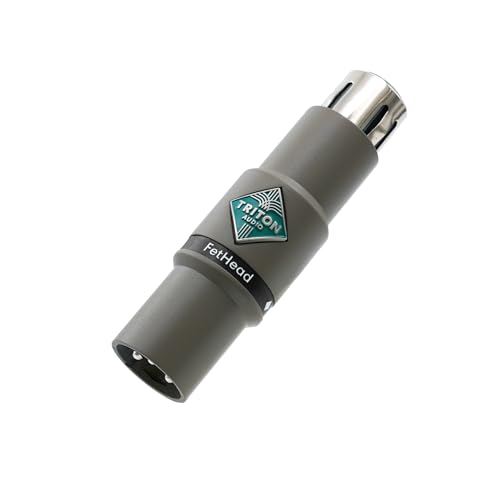
- Low-noise Class-A JFET amplification
- Shielded enclosure for inline use
- Built with four matched JFETs
Best For: Compact inline gain staging
Variable Valve Color
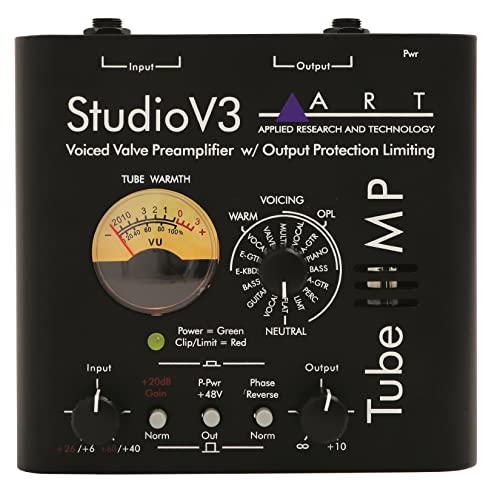
- Single-channel tube microphone and instrument preamp
- Variable valve voicing for tonal flexibility
- Works with vocals and multiple instruments
Best For: Tube-flavored recording and instrument tracking
Complete Channel Control

- Microphone preamp with four onboard processors
- Includes compression, de-essing, enhancement, and gating
- Offers line input, loop-out, insert, and LED metering
Best For: Vocals, broadcasting, and processed recording chains
Tube Versatility
ART TPS II Tube Preamplifier System

- Warm tube sound with variable voicing
- Variable input impedance and metering
- Mic and instrument preamp modes
Best For: Flexible single-channel tube recording
Eight-Channel Expansion
Behringer ADA8200 ADAT Preamplifier

- Eight Midas microphone preamp channels
- 24-bit conversion at 44.1/48kHz
- ADAT optical output for expansion
Best For: Multichannel ADAT-equipped studios
Classic Recording Controls
Pre73 Jr MKII Microphone Preamp

- Single-channel mic preamp and DI
- +48V phantom power included
- Highpass, polarity, and Air controls
Best For: Focused vocal, instrument, or DI recording
Versatile USB Studio Hub

- Midas-designed mic and line preamp
- 192 kHz USB computer interface
- Built-in processor and compressor
Best For: Computer recording, streaming, and integrated voice processing
Low-Noise Gain Specialist

- 0–72 dB adjustable gain
- Stated −120 dBV EIN
- Separate mic and instrument inputs
Best For: Low-output microphones, streaming, and mobile recording
Portable Budget Gain Upgrade

- 19–66 dB practical gain range
- Stated −120 dBV EIN
- 1 MΩ instrument input and Type-C power
Best For: Budget vocal or instrument recording with an external interface
Clean Gain Companion – Cloudlifter CL-1
For audiophiles seeking microphone preamps for audiophiles that preserve a passive microphone’s character, the Cloudlifter CL-1 provides up to 25 dB of additional gain. It uses phantom power while preventing phantom power from reaching the microphone, making it particularly useful with passive ribbon microphones and other quiet sources.
Best For: Home studios, podcasting, voiceover, streaming, and passive ribbon microphones that need cleaner signal strength.
Pros:
- Provides up to +25 dB of ultra-clean gain.
- Helps reduce unwanted noise and improve microphone clarity.
- Compatible with tube, battery-powered, and power-supply-driven microphones.
- Compact, USA-made stainless-steel enclosure.
Cons:
- Requires a microphone input with +48V phantom power.
- Single-channel design adds an extra device to the signal chain.
The CL-1 is a focused gain solution rather than a full channel strip. Choose it when your existing preamp lacks sufficient clean gain and you want to retain the natural sound of a passive microphone.
Inline Class-A Lift – Triton Audio FetHead
The Triton Audio FetHead is an inline option for microphone preamp users who want a low-noise Class-A amplifier in a compact signal path. Its shielded enclosure and matched JFET design make it a practical choice for adding gain before a conventional microphone input.
Best For: Recording setups that need an inline, low-noise microphone preamp with Class-A JFET amplification.
Pros:
- Uses a low-noise Class-A JFET amplifier.
- Features a double single-ended amplifier topology.
- Shielded enclosure helps support a clean signal path.
- Includes four matched JFETs.
Cons:
- Supplied notes do not specify the gain amount or connector configuration.
- The product details list two channels, while the package describes one item.
FetHead is best considered when you prefer an inline preamp format and want Class-A JFET circuitry. Confirm its gain and connection requirements against your microphone and interface before buying.
Variable Valve Color – ART Tube MP Studio V3
The ART Tube MP Studio V3 offers a single-channel tube approach for audiophiles comparing microphone preamps for audiophiles with different tonal options. Its variable valve voicing is designed for microphones and instruments, including vocals, guitars, keyboards, bass, and drums.
Best For: Home recording setups that want a tube preamplifier with variable valve voicing for vocals and instruments.
Pros:
- Single-channel tube microphone and instrument preamplifier.
- Variable valve voicing provides tonal flexibility.
- Supports guitars, keyboards, bass, drums, and vocals.
- Metal enclosure and a two-year warranty are included in the supplied details.
Cons:
- Single-channel design may be limiting for stereo sources.
- Tube coloration may not suit listeners seeking strictly transparent gain.
The Tube MP Studio V3 is a versatile choice when tonal shaping matters as much as basic amplification. It suits musicians and vocalists who want one preamp that can cover several instrument and microphone applications.
Complete Channel Control – dbx 286s Channel Strip
The dbx 286s combines microphone preamplification with four processing sections, making it a comprehensive option for microphone preamps for audiophiles who also want control over dynamics and vocal detail. Compression, de-essing, enhancement, and expansion/gating are available from a rack-mountable 1U unit.
Best For: Vocal recording, broadcasting, podcasting, and live setups that benefit from integrated signal processing.
Pros:
- Includes compression, de-esser, enhancer, and expander/gate sections.
- Accepts microphone and 1/4-inch line-level inputs.
- Loop-out and insert connections support additional processors.
- LED metering provides at-a-glance level and processor-status monitoring.
Cons:
- More complex than a basic standalone microphone preamp.
- Rack-mountable 1U format requires more space than inline alternatives.
- Processing controls may be unnecessary for users seeking only clean gain.
The 286s stands out for users who want a microphone preamp and channel strip in one device. Its integrated tools can help shape vocals and instruments before recording, broadcasting, or further mixing.
Tube Versatility – ART TPS II Tube Preamplifier System
For audiophiles seeking microphone preamps with a warm tube sound, the ART TPS II offers flexible voice shaping and practical metering. Its variable input impedance, Variable Valve Voicing, and broad 5Hz–50kHz frequency response make it adaptable to different microphones and recording setups.
Best For: Vocal, instrument, and home-studio recording where tube coloration and input flexibility are priorities.
Pros:
- Warm tube amplifier design with enhanced ART Tube Technology
- Variable input impedance and Variable Valve Voicing controls
- Automatically switches between instrument and microphone preamp modes
- Includes LED input and analog output metering
Cons:
- Single output channel limits simultaneous recording capacity
- Its corded, 8.1-pound design is less portable than compact preamps
The TPS II is a strong choice when tonal flexibility matters more than channel count. Its limiter, toroidal transformer, and wide response add useful studio-oriented features to a tube-based design.
Eight-Channel Expansion – Behringer ADA8200 ADAT Preamplifier
Behringer ADA8200 Audiophile 8 In/8 Out ADAT Audio Interface with Midas Mic Preamplifiers
Check Price On AmazonThe Behringer ADA8200 is a practical option among microphone preamps for audiophiles who need multiple inputs and ADAT connectivity. It combines eight Midas microphone preamps with 24-bit, 44.1/48kHz conversion and ADAT optical output for expanding a compatible recording system.
Best For: Multichannel recording setups using a computer or interface with ADAT expansion.
Pros:
- Provides eight microphone preamp channels
- Uses Midas microphone preamps
- Includes 24-bit AD/DA conversion at 44.1/48kHz
- ADAT optical output supports compatible digital systems
Cons:
- Maximum sample rate is limited to 48kHz
- Requires compatible ADAT equipment for its optical expansion function
- Designed for wired, rack-style studio use rather than portability
Choose the ADA8200 when channel count is the deciding factor. It is less suited to a minimalist setup, but its eight inputs and ADAT output can substantially expand a compatible interface.
Classic Recording Controls – Pre73 Jr MKII Microphone Preamp
The Pre73 Jr MKII is a compact single-channel choice for audiophiles comparing microphone preamps with essential recording controls. It combines microphone preamp and DI functionality with +48V phantom power, polarity reverse, a highpass filter, and an Air boost.
Best For: Single-channel vocal, instrument, and direct-instrument recording that benefits from straightforward tone-shaping features.
Pros:
- Combines microphone preamp and DI functions
- Provides +48V phantom power for compatible microphones
- Includes polarity reverse and a highpass filter
- Air boost offers an additional tonal option
Cons:
- One channel is limiting for multitrack recording
- The supplied notes do not specify conversion, connectivity, or frequency-response details
The Pre73 Jr MKII makes sense for focused, one-source recording. Its feature set covers common microphone and DI needs, while the highpass, polarity, and Air controls provide useful flexibility without requiring a multichannel unit.
Versatile USB Studio Hub – Behringer UV1
Behringer UV1 Audiophile Mic Preamplifier, Voice Processor and 192 kHz USB Audio Interface
Check Price On AmazonThe Behringer UV1 is a flexible choice among microphone preamps for audiophiles who want a Midas-designed preamplifier, onboard voice processing, compression, and USB connectivity in one rack-style unit. Its 192 kHz USB interface can connect directly to a computer, while the processor adds practical control for recording or live use.
Best For: Computer-based recording, streaming, and users who want mic processing and an audio interface in a single unit.
Pros:
- Midas-designed preamplifier supports microphone and line-level sources.
- 192 kHz USB audio interface connects directly to a computer.
- Built-in mic processor and flexible compressor offer recording control.
Cons:
- Its Windows compatibility note may not suit every operating system.
- The integrated processing may be unnecessary if you only need a standalone preamp.
The UV1 stands out as an all-in-one option rather than a minimalist gain stage. Choose it when workflow flexibility, USB recording, and onboard processing matter as much as preamp performance.
Low-Noise Gain Specialist – RO-04 Mic Preamp
The RO-04 is a practical pick among microphone preamps for audiophiles who need substantial, adjustable gain with a low stated noise floor. Its 0–72 dB gain range, separate mic and instrument inputs, and dual output levels make it adaptable to studio, desktop, mobile, and streaming setups.
Best For: Low-output dynamic microphones, podcasting, livestreaming, and setups that also record instruments.
Pros:
- Adjustable 0–72 dB gain range supports demanding microphones and quiet sources.
- Stated −120 dBV EIN is designed for clean, low-noise gain.
- Separate mic and 1 MΩ instrument inputs support microphones and instruments simultaneously.
- USB-C power-bank support and dual output levels suit mobile or desktop streaming.
Cons:
- It is a dedicated preamp rather than a complete USB audio interface.
- Its many connection and output options may require careful signal matching.
With broad gain control and flexible power options, the RO-04 is particularly compelling for users moving between desktop and mobile recording. It is a strong fit when clean gain and setup versatility take priority.
Portable Budget Gain Upgrade – Rodyweil RO03 Mic Preamp
The upgraded Rodyweil RO03 is a compact option among microphone preamps for audiophiles seeking cleaner gain without a large studio setup. It provides 19–66 dB of usable gain, a stated −120 dBV EIN, 1 MΩ instrument impedance, and multiple output formats for connection to interfaces, mixers, or PA equipment.
Best For: Budget-conscious vocal and instrument recording, especially users connecting to an audio interface’s TRS line input.
Pros:
- 19–66 dB gain range is presented as practical for real-world use.
- Stated −120 dBV EIN targets a low noise floor.
- 1 MΩ instrument input improves impedance matching for guitar and other instruments.
- Type-C power and XLR/TRS/TS outputs support portable, flexible setups.
Cons:
- The mic and instrument inputs cannot be used simultaneously.
- The supplied guidance recommends a TRS line input for lowest noise, which may limit connection choices.
- It requires an external interface, mixer, or compatible destination for recording.
The RO03 makes the most sense as an affordable gain and impedance-matching stage rather than a standalone recording interface. Its updated noise performance and Type-C power are useful for compact vocal or instrument rigs.
How We Picked the Best Microphone Preamps for Audiophiles
We focused on features that affect real-world recording quality and usability: available gain, noise performance, input and output connectivity, phantom-power support, impedance and microphone compatibility, controls, expandability, and overall workflow. The selection covers compact inline boosters, dedicated single-channel preamps, tube-based units, channel strips, USB interfaces, and ADAT expanders.
Because “audiophile” setups vary widely, we did not treat the most expensive or most feature-packed unit as automatically best. A low-noise inline preamp may be ideal for a passive ribbon microphone, while a multichannel interface makes more sense for a larger studio.
Quick Comparison
- For low-output dynamic or ribbon microphones: Consider the Cloudlifter CL-1, Triton Audio FetHead, or a high-gain RO preamp.
- For tube character: The ART Tube MP Studio V3 and ART TPS II offer tube-based signal coloration and flexible controls.
- For voice processing: The dbx 286s and Behringer UV1 add compression, de-essing, enhancement, and other vocal-focused tools.
- For multichannel expansion: The Behringer ADA8200 adds eight microphone inputs through ADAT-compatible equipment.
- For a classic single-channel format: The Pre73 Jr MKII is aimed at users who want a dedicated microphone preamp with a straightforward studio workflow.
Key Buying Factors for Microphone Preamps for Audiophiles
Gain and Noise Floor
Check whether the preamp provides enough clean gain for your microphone. Passive ribbons and some dynamic microphones can need substantially more gain than condensers. High maximum gain is useful only when the unit remains quiet and stable near its upper range, so look for low equivalent input noise and leave headroom for peaks.
Microphone and Connection Compatibility
Confirm support for balanced XLR connections, phantom power, and your microphone’s requirements. Never apply phantom power blindly to microphones or inline devices that do not support it. If you plan to connect instruments, look for a Hi-Z input or instrument-ready channel.
Character Versus Transparency
Clean preamps aim to preserve the source with minimal coloration. Tube designs and transformer-style circuits may add harmonic character that suits vocals, guitars, or certain microphones. Decide whether you want an accurate front end or an intentional tone-shaping stage.
Workflow and Expansion
A dedicated preamp is often simple and dependable, while a channel strip adds processing but requires more setup decisions. USB models can replace or supplement an interface, and ADAT units are useful only when your main interface has compatible optical expansion.
Who Should Buy Which Microphone Preamps for Audiophiles?
Choose an inline booster if you already like your interface but need more clean gain for a quiet dynamic or passive ribbon microphone. Choose a tube preamp if tonal coloration and hands-on control matter more than absolute neutrality.
Choose a channel strip or USB voice processor if you record spoken word, streaming, podcasts, or vocals and want compression, de-essing, gating, or enhancement before the signal reaches your recorder. Choose an ADAT preamp if you need several additional microphone inputs and already own compatible digital hardware.
Before buying, compare the unit’s output level and connection type with your interface, verify phantom-power requirements, and consider whether you need one channel today or room to expand later. Those checks will help you get the cleanest, most practical result from your new preamp.