Wildlife photography rewards reach, speed, and reliability. The right super telephoto lens helps you frame distant subjects cleanly while keeping autofocus and stabilization working in your favor.
Below, you’ll find a focused roundup of 10 strong options for different mounts, budgets, and shooting styles, from all-around zooms to long-range specialists.
Best 10 Super Telephoto Lenses for Wildlife Photography Picks for 2026
Ultra-Reach Flagship
Sony FE 400-800mm f/6.3-8 G OSS

- 400-800mm native zoom range
- Internal zoom for stable handling
- Supports 1.4x and 2.0x teleconverters
Best For: Photographers who want maximum native reach for distant wildlife.
Compact Reach Pick
Tamron 150-500mm F/5-6.7 Di III VC VXD

- Compact full-frame 500mm-class zoom
- VC stabilization and VXD autofocus
- Moisture-resistant build with fluorine coating
Best For: Nikon Z shooters who want portable reach and dependable field use.
Balanced Wildlife Zoom
Sony FE 200-600mm f/5.6-6.3 G OSS
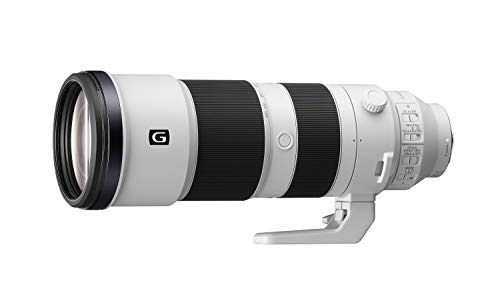
- 200-600mm range for flexible framing
- Fast, quiet Direct Drive SSM autofocus
- ED glass and Nano AR coating reduce flare
Best For: Sony shooters who want a versatile telephoto zoom for wildlife.
Budget Field Workhorse
Sigma 150-600mm Contemporary DG OS HSM

- 150-600mm range for wildlife reach
- Lightweight, compact hyper-telephoto build
- Optical stabilization with weather-resistant mount
Best For: Nikon F users who want practical long reach in a lighter lens.
Canon’s Reach
RF 200-800mm for Wildlife & Nature

- 200-800mm zoom range for long wildlife reach
- Compact, lightweight design for handheld shooting
- Works with RF 1.4x and 2x extenders
Best For: wildlife shooters wanting maximum reach in a portable RF zoom
Nikon VR Zoom
200-500mm f/5.6 for DSLR Wildlife
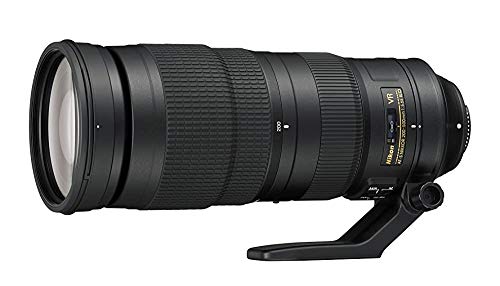
- Constant f/5.6 aperture across the zoom range
- 500mm on FX, 750mm equivalent on DX
- 4 stops of Vibration Reduction
Best For: Nikon DSLR photographers wanting a stabilized wildlife zoom
Budget Long Reach

- 420-800mm range for ultra-long reach
- Manual focus with no image stabilization
- Universal T2 thread design for adapter flexibility
Best For: budget buyers who want maximum reach and manual control
Premium Reach, Versatile Zoom

- 100-400mm zoom for flexible wildlife framing
- Up to 5.5 stops of vibration reduction
- Works with 1.4x and 2x Z teleconverters
Best For: Nikon Z wildlife shooters who want a premium zoom with stabilization and teleconverter expandability.
Long-Reach All-Rounder
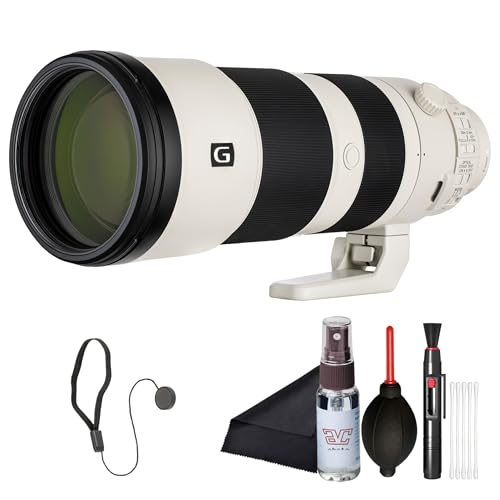
- 200-600mm reach, or 300-900mm equivalent on APS-C
- Internal zoom keeps handling balanced
- OSS stabilization and quiet SSM autofocus
Best For: Sony shooters who want long reach, stabilized handheld shooting, and reliable autofocus.
Extreme Reach in a Compact Package
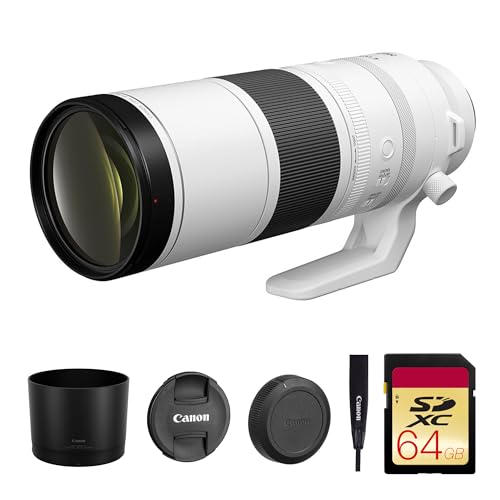
- 200-800mm range for maximum wildlife reach
- Built-in stabilization supports handheld shooting
- USM autofocus stays quick and quiet
Best For: Canon RF photographers who want the longest reach in this group for birds, wildlife, and distant action.
Ultra-Reach Flagship – Sony FE 400-800mm f/6.3-8 G OSS
If you want super telephoto lenses for wildlife photography that push farther without adding a teleconverter right away, the Sony FE 400-800mm f/6.3-8 G OSS is built around reach. Its 400-800mm zoom range, internal zoom design, and fast autofocus make it a strong option for tracking birds and other distant subjects while keeping handling stable.
Best For: Wildlife shooters who want the longest native zoom range in this group and value stable handling.
Pros:
- Native 400-800mm zoom range for extreme reach
- Internal zoom helps keep balance and handling consistent
- Fast, precise AF is suited to moving wildlife
- Supports 1.4x and 2.0x teleconverters for even more reach
Cons:
- Variable f/6.3-8 aperture is not ideal for low light
- Large super-telephoto design will be demanding to carry
- Teleconverter use adds complexity to an already specialized setup
This is a purpose-built reach lens for photographers who prioritize distance first. If your wildlife work often happens far from the subject, the Sony’s range and handling features make a compelling case.
Compact Reach Pick – Tamron 150-500mm F/5-6.7 Di III VC VXD
For super telephoto lenses for wildlife photography on Nikon Z, the Tamron 150-500mm F/5-6.7 Di III VC VXD focuses on portability without giving up serious reach. It is described as a compact full-frame 500mm lens, and its controlled aberrations, high resolving power, and image stabilization make it a practical field option for longer sessions.
Best For: Nikon Z wildlife photographers who want a compact 500mm-class zoom with strong optical control.
Pros:
- Compact size for a 500mm-class full-frame zoom
- High resolving power with controlled aberrations
- BBAR-G2 coating supports clarity and contrast
- Moisture-resistant construction and fluorine coating add field durability
Cons:
- Max aperture narrows to f/6.7 at the long end
- Designed for Nikon Z only, limiting compatibility
- Heavier than compact standard zooms at 4.1 pounds
If you want a Nikon Z telephoto that stays relatively compact while still reaching 500mm, this Tamron is easy to justify. It emphasizes usable field handling, durability, and detailed image quality over maximum brightness.
Balanced Wildlife Zoom – Sony FE 200-600mm f/5.6-6.3 G OSS
The Sony FE 200-600mm f/5.6-6.3 G OSS is a strong all-around choice when shopping super telephoto lenses for wildlife photography. Its 200-600mm range gives you flexibility for everything from larger animals to more distant birds, while the G lens resolution, optical stabilization, and quiet AF help it stay useful in the field.
Best For: Sony shooters who want a versatile long zoom with a good mix of reach and handling.
Pros:
- Flexible 200-600mm zoom range for varied wildlife distances
- Outstanding G lens resolution across the zoom range
- Direct Drive SSM provides fast, quiet, precise focus
- ED glass and Nano AR coating help reduce flare and ghosting
Cons:
- Variable f/5.6-6.3 aperture limits brightness at the long end
- It is a large dedicated telephoto zoom, not a compact option
- Designed for Sony E/FE mounts only
This lens stands out as a practical middle ground: enough reach for wildlife, but with the flexibility to frame more loosely when needed. For Sony users, it is one of the most straightforward long-lens choices in this group.
Budget Field Workhorse – Sigma 150-600mm Contemporary DG OS HSM
If your goal is to get into super telephoto lenses for wildlife photography without going straight to the heaviest pro-tier options, the Sigma 150-600mm Contemporary DG OS HSM is a sensible Nikon F-mount pick. It combines a 150-600mm zoom range, optical stabilization, and a lightweight, compact build for its class, which can make long days in the field easier to manage.
Best For: Nikon F photographers who want long reach in a lighter, more affordable-feeling package.
Pros:
- Useful 150-600mm range for wildlife and distant subjects
- Lightweight and compact for a hyper-telephoto zoom
- Optical stabilization helps steady handheld shooting
- Dust- and splash-proof mount plus water/oil-repellent front element
Cons:
- Maximum aperture is only f/5-6.3
- Minimum focusing distance is relatively long at 280 cm
- Only compatible with Nikon F mount cameras
The Sigma Contemporary is a practical long-lens tool when you want reach, stabilization, and manageable size in one package. It is best suited to photographers who value usability over premium weight savings or faster apertures.
Canon’s Reach – RF 200-800mm for Wildlife & Nature
If you want super telephoto lenses for wildlife photography with serious reach and a hand-holdable build, this Canon RF 200-800mm zoom is built around flexibility. The 200mm starting point helps with framing and locating subjects, while the 800mm end gives you the distance needed for birds, animals, and outdoor action. It’s also designed for the RF mount to keep the lens relatively compact for its class.
Best For: Wildlife shooters who want a long zoom range, native RF-mount compatibility, and easier handheld use.
Pros:
- 200-800mm zoom range gives broad composition flexibility and true long-reach capability.
- Lightweight and compact for a super-telephoto 4x zoom, making handheld shooting more practical.
- Compatible with Extender RF1.4x and Extender RF2x at all focal lengths.
- Optical design is optimized for the RF mount to maintain image quality across the zoom range.
Cons:
- Maximum aperture is f/6.3-9, so light gathering is limited at the long end.
- Designed for Canon mirrorless RF mount only, so it won’t suit other camera systems.
This is a strong choice if you value reach and portability over a faster aperture. For wildlife photography, the standout advantage is the 800mm end in a comparatively manageable lens body.
Nikon VR Zoom – 200-500mm f/5.6 for DSLR Wildlife
For DSLR users comparing super telephoto lenses for wildlife photography, this Nikon 200-500mm offers a useful blend of reach, a constant f/5.6 aperture, and vibration reduction. The 500mm end gives strong telephoto framing for distant subjects, while the fixed aperture is helpful when light drops or you want more consistent exposure as you zoom. This renewed version is aimed at Nikon F-mount DSLR bodies.
Best For: Nikon DSLR wildlife shooters who want a constant-aperture telephoto zoom with stabilization.
Pros:
- 200-500mm range reaches 500mm on FX and 750mm equivalent on DX bodies.
- Constant f/5.6 aperture supports steadier exposure and better low-light performance.
- 4 stops of Vibration Reduction adds help for handheld or slower-shutter shooting.
- Compatible with optional TC-14E teleconverters on supported DSLR bodies.
Cons:
- It is a renewed DSLR lens, not a new mirrorless-native option.
- Weighs 2300 g, so it is not the lightest long zoom in the class.
This lens makes sense if you already shoot Nikon DSLR and want dependable long-range framing with a brighter constant aperture than many budget super-telephoto alternatives. Its stabilization and teleconverter support add useful flexibility for field work.
Budget Long Reach – JINTU 420-800mm Manual Zoom
If you’re shopping super telephoto lenses for wildlife photography on a tighter budget, this JINTU 420-800mm zoom focuses on reach and system flexibility. It uses a T2 thread design with camera-specific adapters, so it’s built for users who want one lens concept that can move across multiple camera systems. The long zoom range and all-metal barrel make it a practical entry point for distant subjects, provided you’re comfortable with manual operation.
Best For: Budget-minded photographers who want ultra-long reach and don’t mind manual focus.
Pros:
- 420-800mm range covers long wildlife framing and other distant subjects.
- Universal T2 thread design supports broad future compatibility with the right adapter.
- All-metal barrel with zoom lock helps reduce accidental focal-length shift.
- Multi-layer coating is designed to reduce flare, ghosting, and purple fringing.
Cons:
- Manual focus only, so it is less convenient for moving wildlife.
- No image stabilization, making tripod or monopod use more important.
- Max aperture is f/8.3-16, so light is limited at longer focal lengths.
This is a value-oriented long lens for users who prioritize extreme focal length and adaptability over autofocus convenience. It can work for wildlife, but the manual focus design means it’s best for slower, more deliberate shooting.
Premium Reach, Versatile Zoom – Nikon Z 100-400mm VR S
If you want super telephoto lenses for wildlife photography with pro-level flexibility, the Nikon NIKKOR Z 100-400mm VR S is built to cover a lot of ground without feeling like a specialist-only optic. Its 100-400mm range, strong optical stabilization, quiet dual-STM autofocus, and teleconverter support make it a practical choice for Nikon Z shooters who need reach for birds, mammals, and distant action.
Best For: Nikon Z wildlife shooters who want a premium zoom with stabilization and teleconverter expandability.
Pros:
- 100-400mm range offers flexible framing for wildlife, especially on FX and DX Nikon Z bodies.
- Up to 5.5 stops of vibration reduction helps steady long-lens handheld shooting.
- Compatible with 1.4x and 2x Z teleconverters for more reach, up to 560mm or 800mm equivalent use cases.
- Dual STM motors deliver near-silent autofocus with strong sharpness and minimal focus breathing.
Cons:
- Does not reach as far as 600mm or 800mm-native super telephoto options.
- Built for Nikon Z mount only, so it is not cross-system compatible.
This lens stands out as a balanced, high-end wildlife zoom for Nikon mirrorless users who value image quality, stabilization, and future reach expansion. If you shoot a mix of closer and farther subjects, it offers one of the most adaptable packages in this group.
Long-Reach All-Rounder – Sony FE 200-600mm G OSS
Among super telephoto lenses for wildlife photography, the Sony FE 200-600mm F5.6-6.3 G OSS is a strong pick for shooters who want serious reach in a lens that is still practical in the field. The internal zoom design, built-in OSS stabilization, and fast, near-silent Direct Drive SSM autofocus make it well suited for birds, safari scenes, and fast-moving wildlife on Sony E-mount cameras.
Best For: Sony full-frame or APS-C wildlife shooters who want long reach, stabilized handheld shooting, and reliable autofocus.
Pros:
- 200-600mm range delivers excellent wildlife reach, and APS-C bodies get a 300-900mm equivalent view.
- Internal zoom keeps the lens length stable for more balanced handling.
- Built-in Optical SteadyShot helps reduce shake at long focal lengths.
- Direct Drive SSM autofocus supports fast, quiet tracking and works with Real-Time Eye AF.
Cons:
- The lens is relatively heavy at 8.4 pounds.
- Maximum aperture is f/5.6-6.3, so it is not a bright telephoto for low-light use.
If your priority is dependable reach rather than portability, this Sony zoom brings a lot to wildlife sessions. It is especially appealing for photographers who want one lens that can handle distant subjects, tracking, and handheld stabilization without giving up versatility.
Extreme Reach in a Compact Package – Canon RF 200-800mm IS USM
If you need super telephoto lenses for wildlife photography with maximum reach, the Canon RF 200-800mm f/6.3-9 IS USM is the standout long-range option here. It combines an 800mm top end, built-in image stabilization, and quiet USM autofocus in a package that is described as surprisingly compact and easy to carry for travel and outdoor use.
Best For: Canon RF photographers who want the longest reach in this group for birds, wildlife, and distant action.
Pros:
- 200-800mm range gives exceptional reach for birding and wildlife photography.
- Built-in image stabilization helps support handheld shooting at long focal lengths.
- USM autofocus is designed to be quick and quiet on moving subjects.
- Field-friendly design is noted as compact and easy to handle despite its reach.
Cons:
- Maximum aperture of f/6.3-9 is fairly slow at the long end.
- It is limited to Canon RF mount bodies.
For Canon shooters who care most about distance, this lens is hard to overlook. It is the most reach-focused option in the roundup, making it especially useful when wildlife stays far from the trail, hide, or vehicle.
How We Picked the Best Super Telephoto Lenses for Wildlife Photography
We prioritized lenses that give wildlife shooters useful focal length, practical hand-holding support, dependable autofocus, and real-world portability. We also considered mount availability, maximum aperture behavior at the long end, and whether a lens is better suited to birds, mammals, safari work, or general field use.
Because Super Telephoto Lenses for Wildlife Photography often involve tradeoffs, we favored models that balance reach with stabilization and image quality instead of chase-the-longest-number-only specs.
Quick Comparison
Think of the field in three broad groups: 100-400mm and 150-500mm lenses for lighter travel and larger wildlife; 200-600mm class lenses for a versatile sweet spot; and 800mm options for maximum subject isolation and distant birds. The best choice usually depends on how often you shoot from blinds, how much you carry, and whether you need the flexibility of zooming wider for approaching animals.
Key Buying Factors for Super Telephoto Lenses for Wildlife Photography
Reach and Zoom Range
Longer focal lengths make it easier to fill the frame, but extra reach can also magnify shake and slow acquisition. For moving wildlife, a flexible zoom range is often more practical than a fixed ultra-long lens.
Aperture and Light
Many zooms become slower at the long end, which affects autofocus confidence and low-light performance. If you often shoot dawn, dusk, or dense cover, pay attention to maximum aperture more than headline focal length.
Stabilization and Handheld Use
Optical stabilization matters a lot when using heavy lenses in the field. It can help with static subjects, tracking, and panning, though it does not replace good technique or adequate shutter speed.
Autofocus Speed and Tracking
For birds in flight and unpredictable animals, autofocus motors and tracking behavior are critical. Choose lenses known for fast, quiet focusing if action is a priority.
Weight, Balance, and Mount Compatibility
Long lenses can become tiring quickly, especially on hikes or when used without support. Check weight, tripod collar support, and whether the lens matches your camera system before buying.
Who Should Buy Which Super Telephoto Lenses for Wildlife Photography?
If you want the best all-around wildlife setup, look at the 200-600mm class first. If portability matters more than maximum reach, a 100-400mm or 150-500mm lens is often easier to carry and use all day. If your main goal is small birds or distant subjects, an 800mm-capable lens can be worth the extra size, cost, and handling demands.
In short, the best lens is the one that fits your subjects, your shooting distance, and the way you actually work in the field.